Anduril Industries just landed a massive $2.9 billion Navy submarine shipyard contract, coming just days after founder Palmer Luckey joined a Pentagon weapons advisory group. The timing signals how defense tech startups are rapidly gaining influence in Washington’s military reindustrialization push under President Trump, marking one of the largest contracts ever awarded to a venture-backed defense company.
The defense tech revolution just got a $2.9 billion validation. Anduril Industries, the Palmer Luckey-founded startup that’s been shaking up military contracting, landed one of the largest Navy submarine shipyard contracts in recent memory. The timing couldn’t be more telling – it comes just days after Luckey himself joined a Pentagon weapons advisory group, cementing the company’s influence in Washington’s corridors of power.
This isn’t just another government contract. It’s a seismic shift in how the Pentagon approaches defense procurement, moving away from legacy contractors toward nimble, tech-forward companies. The submarine shipyard deal represents the kind of massive infrastructure investment that traditional defense giants like Lockheed Martin and Raytheon have dominated for decades.
Luckey’s appointment to the Pentagon advisory role adds another layer to this story. The Oculus founder turned defense entrepreneur has been vocal about America’s need to modernize military technology faster than traditional procurement cycles allow. His dual role as company founder and government advisor creates an unprecedented direct line between Silicon Valley innovation and Pentagon decision-making.
The contract timing aligns perfectly with President Trump’s military reindustrialization agenda, which has prioritized bringing defense manufacturing back to American soil while embracing newer technologies. Sources familiar with the administration’s thinking suggest this represents a broader strategy to challenge China’s growing military capabilities through technological superiority rather than just increased spending.
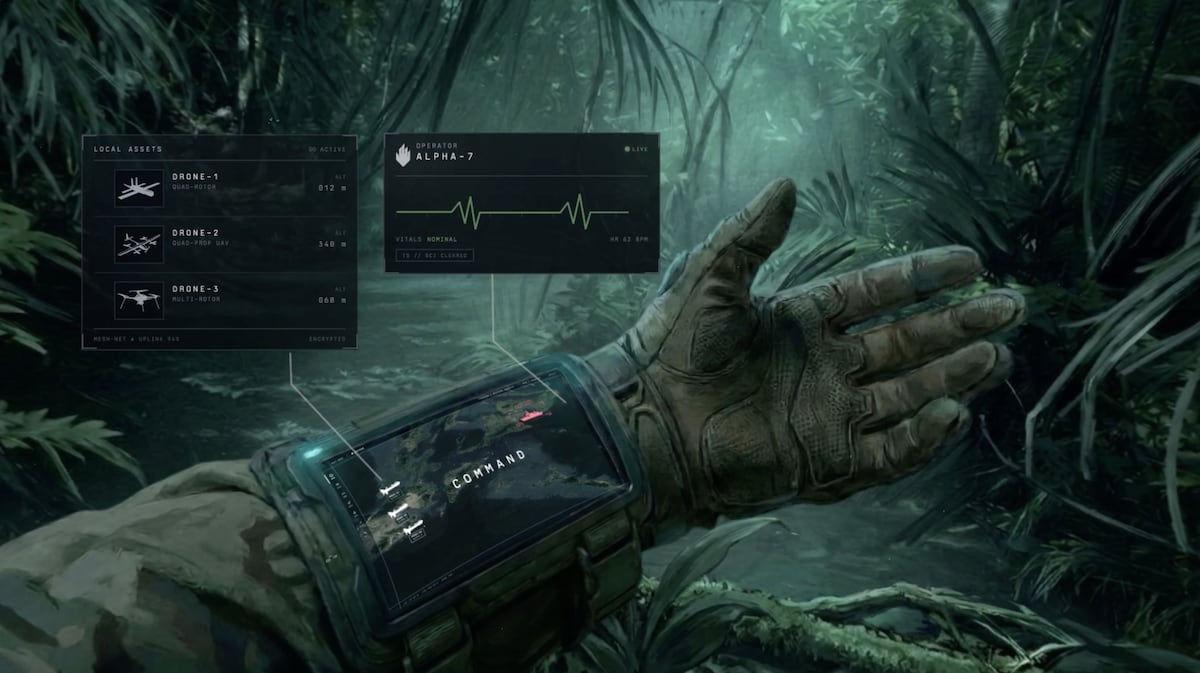
Anduril’s rise has been meteoric since its 2017 founding. The company started with border security systems and autonomous drones but quickly expanded into naval systems, winning smaller Navy contracts that apparently served as proof-of-concept for this massive shipyard deal. The progression from startup to major defense contractor in less than a decade represents a new model that other venture-backed defense companies are watching closely.
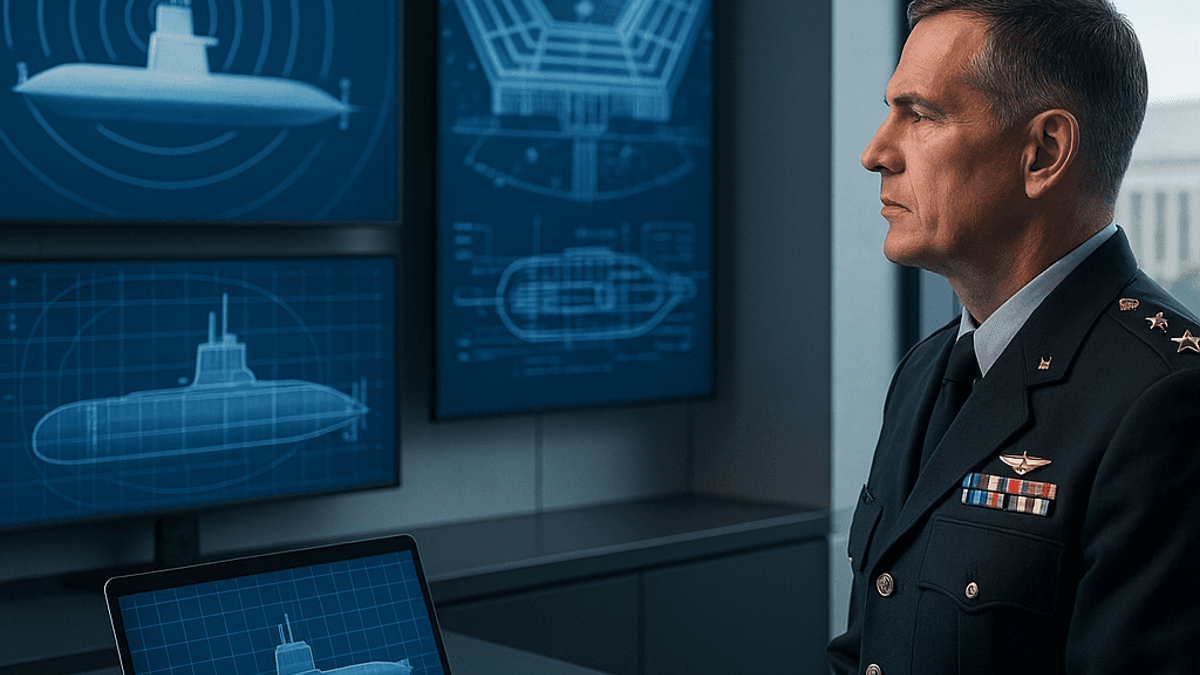
The submarine focus is particularly strategic. As China expands its naval presence in the South China Sea and Russia modernizes its submarine fleet, the U.S. Navy has been pushing for faster submarine production. Traditional shipyards have struggled with capacity constraints and aging infrastructure, creating an opening for companies like Anduril to propose more efficient, technology-driven approaches.
What makes this deal especially significant is the financial structure. Unlike traditional cost-plus contracts that have plagued defense procurement with overruns, industry sources suggest Anduril negotiated a fixed-price arrangement that puts the company’s skin in the game. This approach mirrors the commercial tech sector’s results-oriented culture and could set a new standard for future defense contracts.
The ripple effects are already being felt across the defense tech ecosystem. Other venture-backed companies like Palantir, SpaceX, and Shield AI are likely watching this deal as validation that the Pentagon is serious about embracing non-traditional contractors for major programs. Venture capital firms that have been cautious about defense investments are now reassessing their strategies.
For Anduril, the contract represents both massive opportunity and significant risk. Submarine construction is notoriously complex, with technical challenges that have tripped up even experienced contractors. The company will need to prove it can scale from relatively small autonomous systems to managing one of the most sophisticated manufacturing processes in the defense industry.
The political implications extend beyond just this contract. Luckey’s Pentagon role while his company holds major contracts raises questions about potential conflicts of interest, though defense industry veterans note that such arrangements have precedent with other major contractors. The key will be maintaining transparency and ensuring that advisory roles don’t create unfair competitive advantages.
Anduril’s $2.9 billion Navy contract marks a watershed moment for the defense tech sector, proving that venture-backed startups can compete for the Pentagon’s largest programs. With Palmer Luckey now advising the Pentagon while his company executes major contracts, we’re witnessing a fundamental shift in how America approaches military innovation. The success or failure of this submarine shipyard program won’t just determine Anduril’s future – it’ll shape whether the Pentagon continues embracing Silicon Valley’s move-fast-and-break-things culture for critical defense infrastructure.