Georgia Tech President: AI Is Reshaping Higher Education
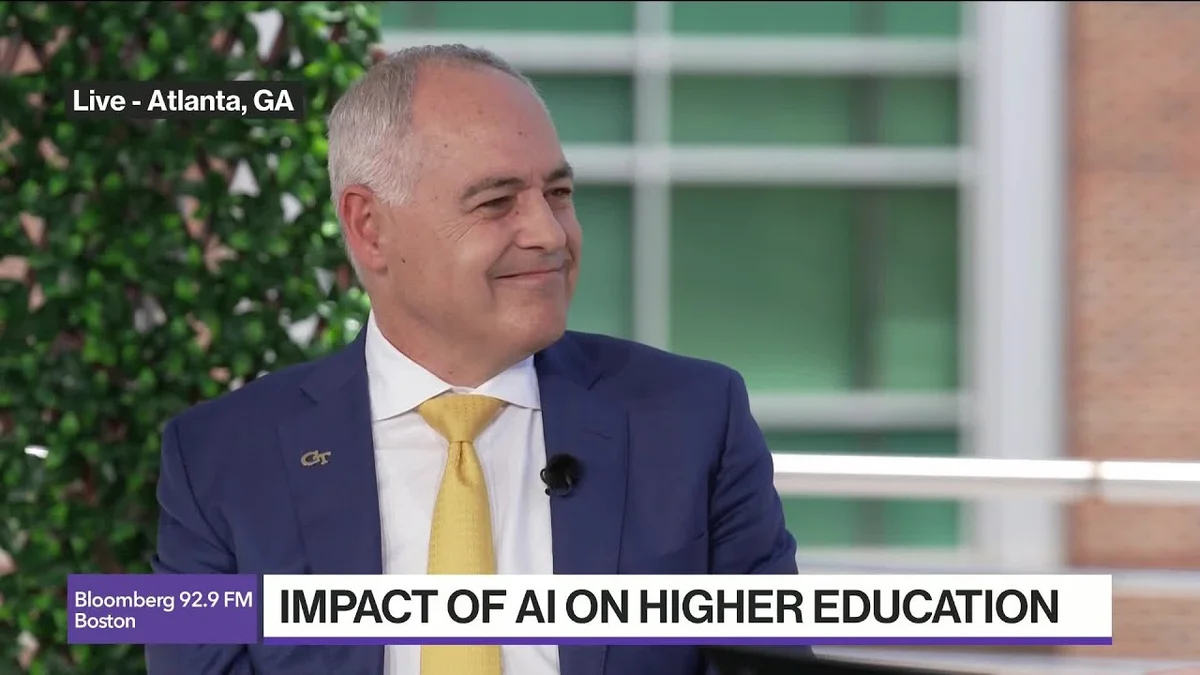
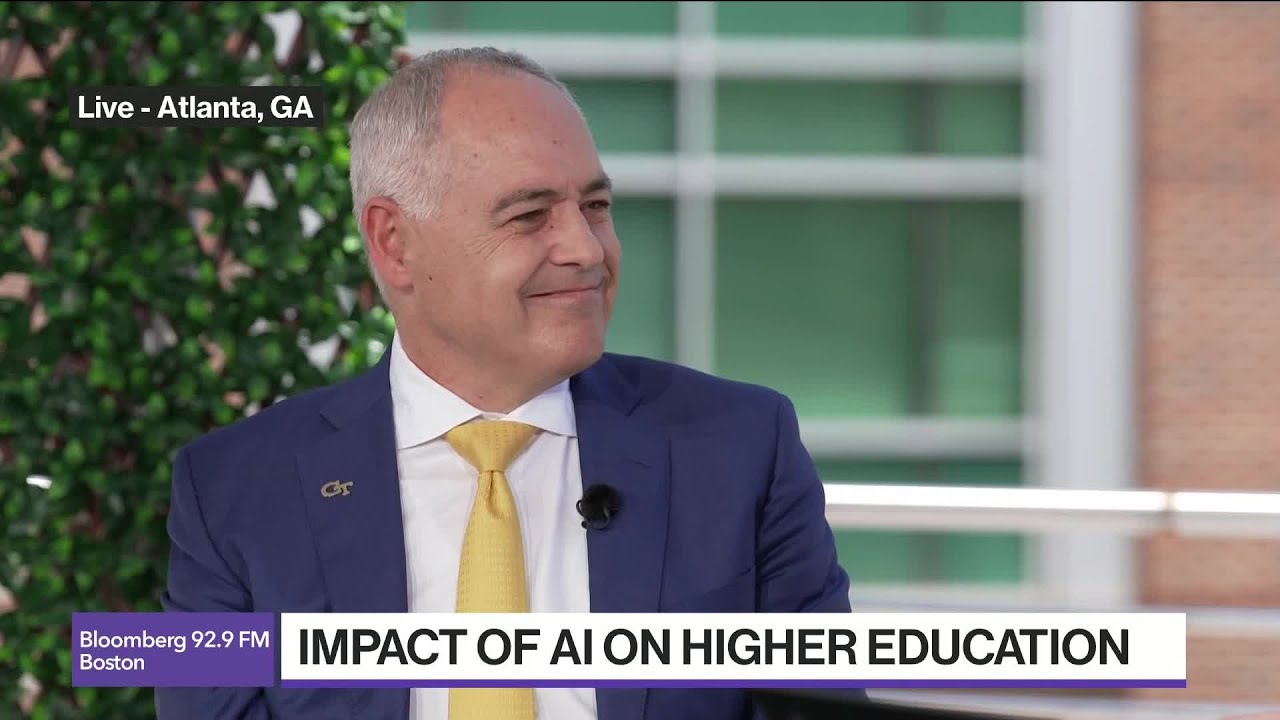
Georgia Institute of Technology President Ángel Cabrera asserts that artificial intelligence is not just a new tool but a force reshaping the entire landscape of higher education. In a recent interview, Cabrera emphasized that the rapid advancement and accessibility of AI technologies demand a fundamental re-evaluation of university curricula and teaching methodologies.
Visual TL;DR. AI is Reshaping Education demands AI Imperative. AI Imperative requires Rethink Curricula. Rethink Curricula focuses on Skill Development. Skill Development enables Leverage AI Tools. Georgia Tech’s Role studies AI is Reshaping Education. Leverage AI Tools enhances Enduring Value.
AI is Reshaping Education: AI is a transformative force, not just a new tool
AI Imperative: Need to equip students to effectively utilize AI tools
Rethink Curricula: Fundamental re-evaluation of university curricula and teaching methodologies
Skill Development: Focus shifts from rote memorization to leveraging AI
Georgia Tech’s Role: Leading research and funding in AI education integration
Enduring Value: Higher education’s value remains, adapting to new realities
Leverage AI Tools: Every graduate should fully leverage the tools of AI
Visual TL;DR
The AI Imperative in Education
Cabrera highlighted that the integration of AI into education is a significant inflection point, comparable to the internet revolution at the turn of the millennium. He stated, “AI is Changing Everything.” The core challenge, as he sees it, is not to fear AI but to equip students with the skills to effectively utilize these powerful tools. The goal at Georgia Tech is to ensure that every graduate, irrespective of their chosen field of study, possesses the ability to “fully leverage the tools of AI.”
This means shifting the focus from rote memorization and task execution that AI can easily replicate, towards fostering critical thinking, problem-solving, and the ability to ask the right questions. “The computer can code better than the human, can write a report, can do a PowerPoint, can do all these things better than the human,” Cabrera explained. This necessitates a redefinition of what it means to be educated in the 21st century, emphasizing the human element in collaboration with AI.
The full discussion can be found on Bloomberg Podcast‘s YouTube channel.
‘AI is Changing Everything’ in Higher Education Says Georgia Tech President — from Bloomberg Podcast
Rethinking Curricula and Skill Development
The president drew a parallel to the early days of the internet, where educational institutions initially grappled with how to incorporate it into their offerings. Now, AI presents a similar, albeit more profound, challenge. Cabrera believes that AI should not be viewed as an antagonist to learning but rather as a potent creative partner. The university’s approach is to teach students how to use AI responsibly and effectively, integrating it into their learning process rather than banning it.
He elaborated on this, stating, “We don’t need everybody to study computer science. We want you to study biology, or history, or economics, or civil engineering, whatever your passion is, but at the same time, we will make sure that by the time you graduate from this place, you are ready to fully and responsibly leverage the tools of AI.” This involves a continuous adaptation of teaching methods to ensure graduates are prepared for a future where AI is ubiquitous in the professional world.
Georgia Tech’s Position and Research Funding
Cabrera also touched upon Georgia Tech’s strong position in AI research, noting that the university is the second-largest recipient of federal research grants in the field. He acknowledged that this success has not been without its challenges, particularly in the context of inflation and economic uncertainty, which have increased operating costs. However, the university has managed to maintain its growth by increasing tuition and fees, though he admits this is a path they would prefer to avoid if possible.
The university’s consistent growth in research funding is a testament to its commitment to pioneering work in AI and related technological fields. This focus on research not only drives innovation but also shapes the educational experience, ensuring students are exposed to the latest advancements and are prepared for the future of work.
The Enduring Value of Higher Education
Despite the rapid technological shifts and economic pressures, Cabrera reaffirmed the enduring value of a college degree. He argued that, in a world where AI can automate many tasks, the ability to think critically, solve complex problems, and adapt remains paramount. “The value of a Georgia Tech degree,” he stated, “provides the highest return on investment of any college degree in America.” This value, he explained, comes from equipping students with the skills to navigate and thrive in a rapidly changing world, including understanding and utilizing AI.
The discussion also touched on the broader debate about the future of education, with some questioning the traditional four-year degree in favor of vocational training or certifications. Cabrera countered this by emphasizing that higher education, particularly in fields like AI, provides a foundational understanding and critical thinking skills that are essential for long-term career success and adaptability. The university’s focus on integrating AI into all disciplines ensures that its graduates are not only skilled in their chosen fields but also adept at using the transformative tools of the modern era.