Project Ventures, an independent early-stage venture capital fund rooted in the
Imperial College London ecosystem, has launched its debut £5 million fund to
invest in pre-seed and seed-stage startups working across deeptech and AI. It
plans to invest between £100,000 and £300,000 in each portfolio company and has
already completed three investments.
More than
80 per cent of the fund’s limited partners are Imperial alumni, with Project
Ventures describing it as the first independent, alumni-powered VC fund
dedicated to the university’s startup ecosystem.
Project
Ventures is targeting founders applying science, engineering and AI to develop
intelligent systems that connect the digital and physical worlds. Its areas of
interest include robotics, healthcare, climate, energy and advanced
manufacturing.
The fund
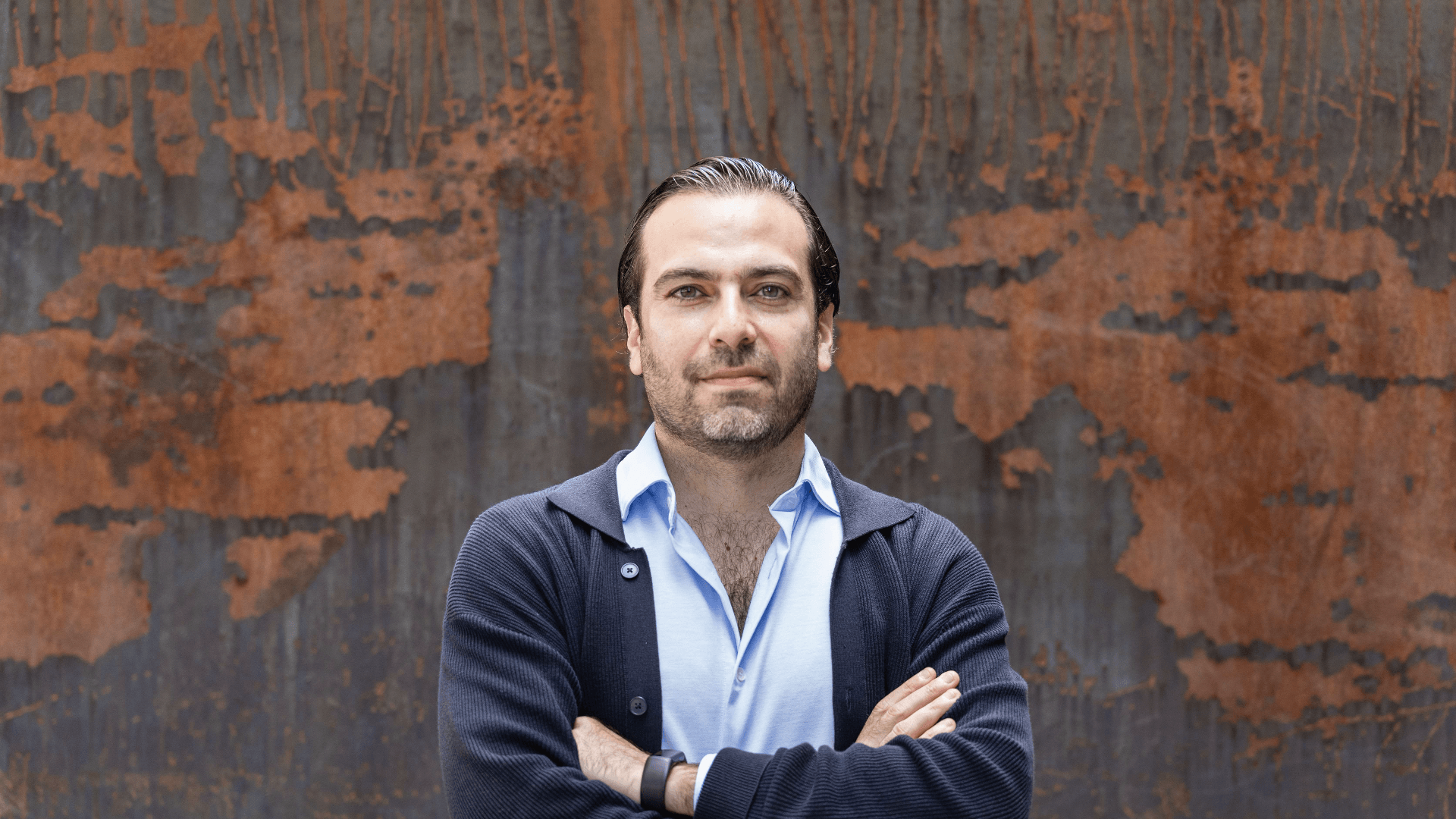
is led by founder and managing partner Shahryar Barati, a three-time Imperial
alumnus. Its approach is based on alumni-backed venture networks used by
universities in the US, drawing on connections within the Imperial community to
identify and support companies at an early stage.
This is
such an exciting moment for deeptech, with AI accelerating development cycles
that historically took years while bringing an entirely new intelligence layer
into the physical world.
Imperial’s depth across science, engineering and
medicine makes it an exceptional ecosystem from which to find and back
companies at that intersection, and our deep roots across the Imperial
community put us in a particularly strong position to support these pioneering
businesses from an early stage,
said Barati.
Project
Ventures has already backed three companies: home energy platform Tewke,
AI-powered metal 3D printing quality assurance company NexusAM, and neurotech
startup Neubond, which focuses on stroke rehabilitation.
Project
Ventures aims to close its debut fund by summer 2027 while continuing to build
its pipeline of Imperial-linked startups. Longer term, it sees potential to
extend its alumni-powered investment model to other technical university
ecosystems across Europe.