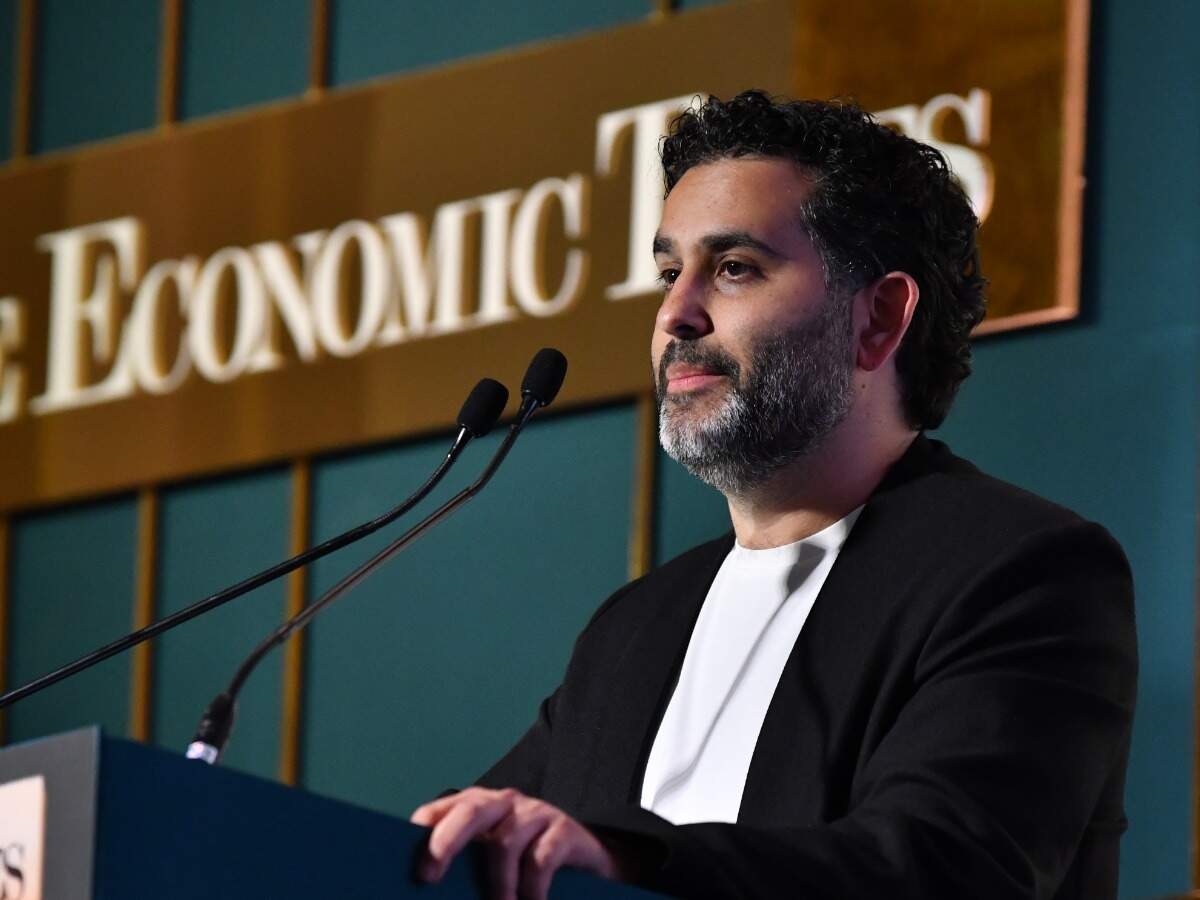
On July 18, the rocket, built by Hyderabad-based startup, Skyroot Aerospace, lifted off from Sriharikota and placed customer satellites in orbit 450 kilometres above earth. “With that launch, India became only the third nation after the US and China with a private company able to reach space,” Gajwani said. ETSA 2026 jury member Mukesh Bansal was Skyroot’s first investor.
Gajwani said the ecosystem, once driven by fintech, food delivery, SaaS, commerce, quick commerce and direct-to-consumer brands, was witnessing founders focused on deep, proprietary technology. Indian startups are now building semiconductor chips, AI, robotics, clean energy technologies and new materials, while investors are shaping funds, willing to wait longer for these companies to mature.
“This maturing of the Indian startup ecosystem, this energy, and this audacity, founders paying it forward as investors, the structural backing by the state, they’ve all come together thanks to a lot of advocacy and championing by many of our leaders. And foremost among them has been Piyush Goyal, minister of Commerce and Industry,” said Gajwani.
He credited government support, regulatory reforms and entrepreneurial leadership for accelerating this transition. Under Startup India, the number of recognised startups has grown from a few hundred to more than 250,000, creating nearly 2.5 million jobs. A Rs 10,000 crore Fund of Funds has also been launched to support new-age sectors.
Gajwani also highlighted startups’ role in formalising informal work and building new Indian brands.
However, he cautioned that India remains behind the US and China in artificial intelligence. “Closing that gap will take deep research, serious compute, entrepreneurial vision and patient capital,” he said.
“But if a startup can put a rocket into orbit from Sriharikota, I have no doubt this ecosystem can build AI that the world will want to use,” Gajwani added.