

A Dallas startup is launching pilot tests this month of wearable medical devices designed to benefit military veterans and first responders.
Optimus OS pairs wearable biosensor technology with AI-powered analytics to address mental and physical health care needs of veterans, police officers, firefighters and others.
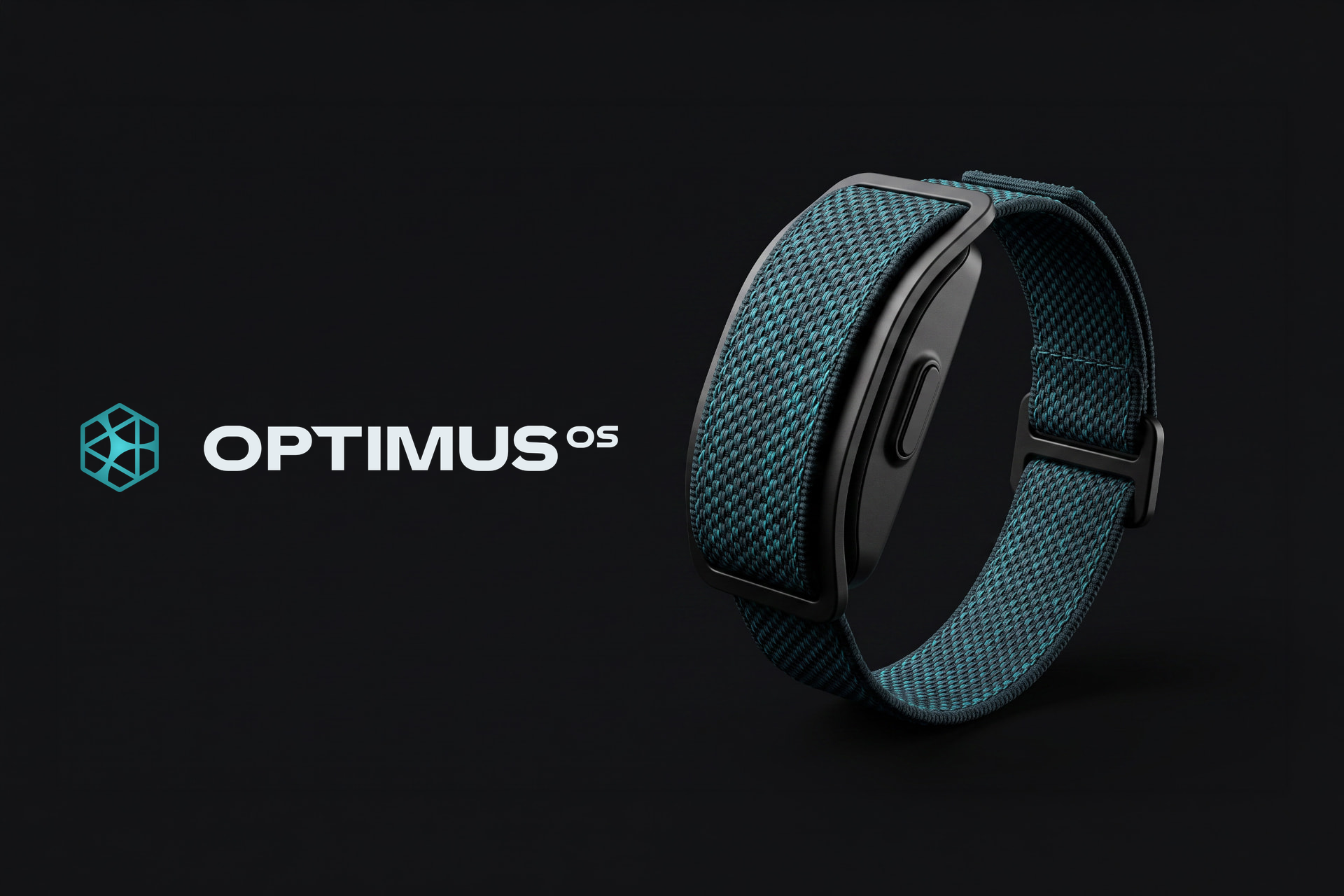
Optimus OS uses a wristband device called Cadence that uses medical-grade sensors to capture biometric data such as heart rate, sleep and respiration.
Optimus OS, hatched by Dallas-based venture studio 1845 Ventures, will begin testing its wristband device on Nov. 14 with a group of about 15 veterans who are members of California’s arm of the Military Order of the Purple Heart. Three more pilot groups will start later this month. The company expects to enroll 100 to 150 participants in a 60- to 90-day study.
The U.S. military awards the Purple Heart medal to service members injured or killed during “enemy action.” It’s estimated that more than 1.8 million Purple Hearts have been awarded since 1932. Texas’ arm of the Military Order of the Purple Heart said it represents an estimated 47,000 living Purple Heart recipients in the Lone Star State.
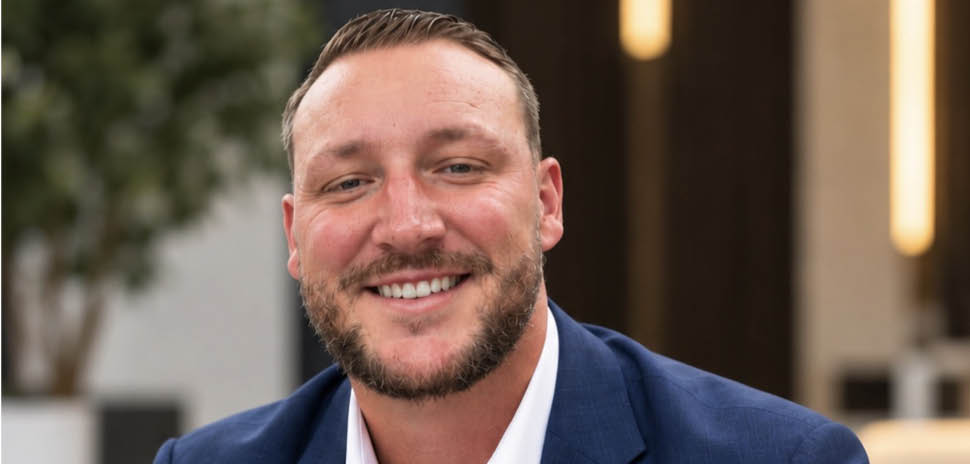
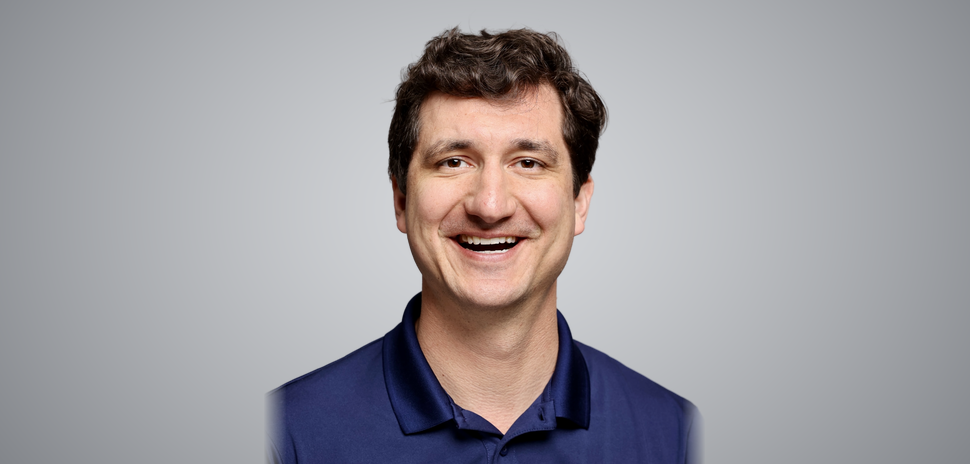
Purple Heart recipient Devin Harris, co-founder and CEO of Optimus OS, told Dallas Innovates he’s seen firsthand how vital early treatment is for veterans, particularly when it comes to mental health. Each day, an average of about 18 veterans died by suicide in 2024, the U.S. Department of Veterans Affairs said.
“Unfortunately, one of my closest friends passed away in 2021 from long-term, prolonged issues around [mental health],” said Harris, who served in the Marine Corps for eight years. “Then, we had a whole bunch of other friends from our battalion who passed away from the same thing. … If we could have caught signals sooner, we probably could have gotten them in front of people.”
How Optimus works
Harris described Optimus as “a veteran-focused health intelligence company.”
A wristband with an optical sensor continuously tracks heart rate, heart rate variability, respiration, skin temperature, motion and sleep. It then feeds that data into algorithms geared toward veterans. This produces insights that can help a patient or health care provider make better medical decisions.
A cause close to the heart
For Harris, the Optimus mission is personal. During his military service, Harris deployed several times to Iraq and Afghanistan. After being wounded in 2010, he spent roughly 11 months in physical rehabilitation, depending on chest straps and other wearables to monitor his recovery.
Since returning to civilian life, Harris has worked as a health care executive in advanced imaging, physician practice management, real estate and specialty care.
Harris said his mix of military and health care business experience gives him a clear view of what Optimus OS could do.
“I really think we can change the veteran community as a whole — and first responders — and give them a lot more insight into their own unique health profile,” he said. Providers stand to gain “data and insights about their patients … that they wouldn’t have had.”
Austin tech partner
Austin-based Sensor Bio makes the Optimus hardware and underlying technology through a white-label agreement. The veteran-specific platform and algorithms belong to Optimus, developed alongside Sensor Bio. Optimus is applying what Harris said is roughly 400 million hours’ worth of Sensor Bio research data to algorithms developed for veterans and first responders.
Optimus isn’t trying to diagnose medical issues, Harris said. Instead, it’s employing biometric data to help providers take action more quickly. A veteran who’s experiencing night terrors, for example, may suffer several episodes, each marked by shifts in heart rate variability and breathing patterns. That kind of signal could prompt a health care provider to reach out and schedule an assessment.
Optimus is seeking to directly connect its data to the country’s 30 most widely used systems for electronic health records. Once those connections are in place, the Optimus device can add its data as a note to a patient’s medical file. Through an app, users will be able to access their own data and insights.
Two-pronged path to market
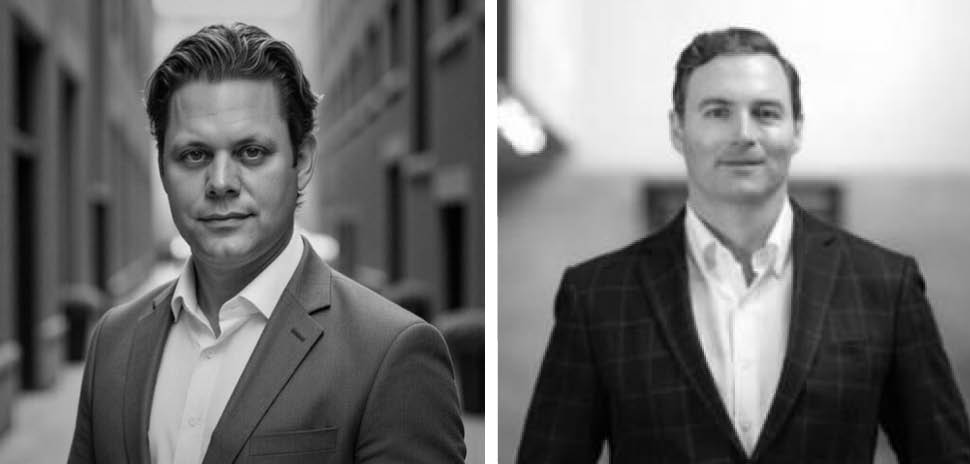
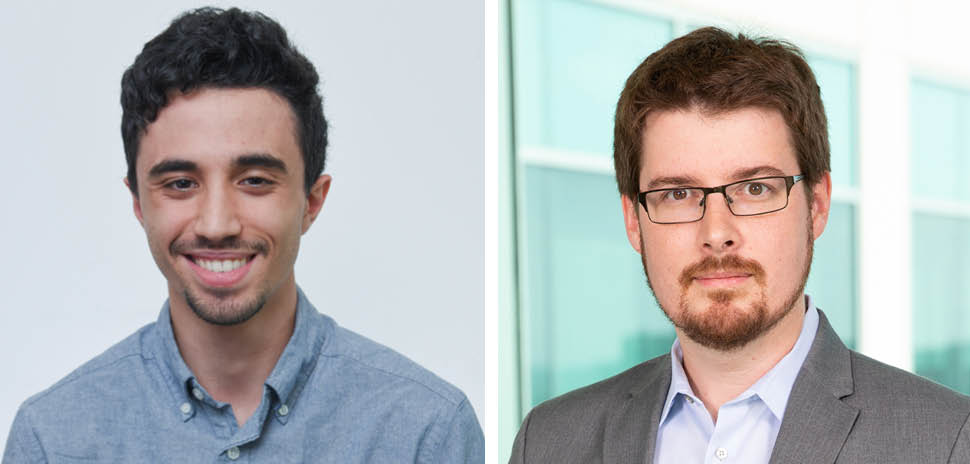
Harris co-founded Optimus in tandem with 1845, a venture studio whose co-founders and managing partners, Trey Bowles and Ryan Brown, developed the original concept after working with Sensor Bio. The company started this spring, but it is making its public launch this week.
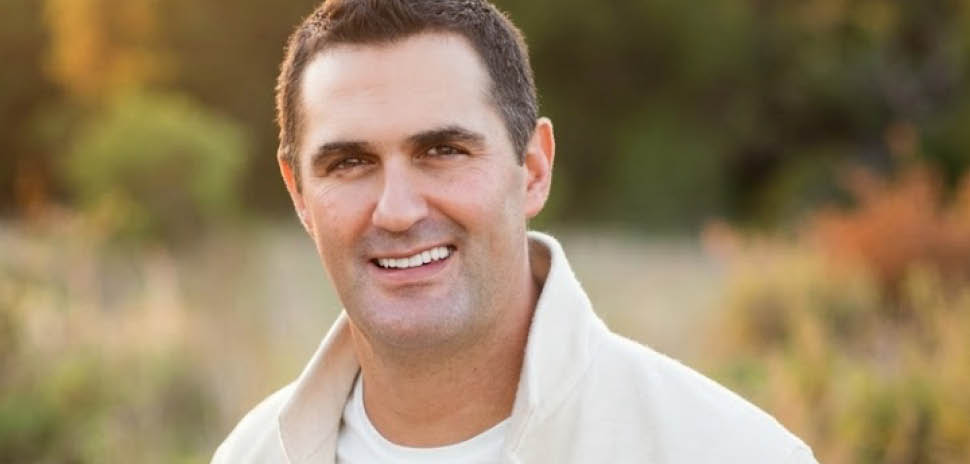
Trey Bowles and Ryan Brown, 1845 Ventures co-founders and managing partners, co-founded Optimus OS. [Photos: Optimus OS]
Optimus’ initial funding comes from 1845 and a small group of other investors. Harris said the team plans to keep raising money in 2027. The venture studio’s typical model is to raise $2 million to $3 million in total before exiting in three to four years for $50 million to $150 million.
The company currently has a team of five people, most of them in Dallas, where Optimus plans to add staff as it grows. Harris, based in Los Angeles, is building a national sales and marketing team, initially focused on states like Texas, California and Florida with large populations of veterans. Texas was home to more than 1.4 million veterans in 2025, making it the state with the biggest veteran population.
Optimus plans to do two things as it takes its technology to market. It will work with veterans service organizations to run initial pilots and gain awareness. It also will create corporate partnerships that enable businesses to buy a device for a civilian employee and get one at a discount for a veteran.
Avoiding ‘rabbit holes’
Looking back on his own injury recovery, Harris said Optimus’ technology likely would have improved his post-military experience.
“I would have loved to have something where it could give me more insights and then have connected that to the different physicians I was working with and my continuum-of-care team,” Harris said.
“I would have been able to maybe not necessarily rehab faster but more efficiently. I wouldn’t have gone down rabbit holes where I was trying to do things that weren’t efficient. Ultimately, I probably would have had better outcomes.”
R E A D N E X T
-
North Texas has plenty to see, hear, and watch. Here are our editors’ picks. Plus, you’ll find more selections to “save the date.”
-
The grant, awarded to UT Southwestern biotech spinoff MusiQ Bio, could pave the way for human clinical trials of the startup’s proprietary cancer-fighting platform within five years.
-
The startup, led by ex-Remington Hospitality CEO Sloan Dean, relies on 60-plus AI agents to perform back-office tasks so hotel staff can focus on guests.
-
Warhound, co-founded by Ben Lamm of Dallas-based Colossal Biosciences, seeks to decrease reliance on working dogs from European breeders.
-
SemperVirens led the round, UpSmith’s largest yet. The startup plans to add engineers and account executives and launch an AI voice agent for inbound customer calls.
-
A $24 million grant from the U.S. Department of Commerce, plus $4.8 million from other sources, will fund chip prototyping facilities, workforce training and startup commercialization across North Texas and southern Oklahoma.
-
Watter’s first commercial installation offsets water-heating costs and creates a new revenue stream for the hotel.
-
The planned DFW network would link DFW Airport, Love Field, Frisco Station and four other area airports once Archer’s Midnight aircraft wins FAA certification. San Jose, California-based Archer aims to help commuters turn 60- to 90-minute drives into 10- to 20-minute flights.
-
The venture capital firm plans to invest up to $1 billion each in roughly 10 growth- and late-stage companies, with a focus on AI, AI infrastructure and defense. Founder and CEO Alex Davis says the best private tech companies need more capital than ever.
-
Four years after arriving at Pegasus Park, the Boston-based accelerator is adding health and security accelerators and founder clinics, backed by a renewed two-year grant from Lyda Hill Philanthropies.
Source link