Saronic just landed one of the largest defense tech funding rounds in history. The autonomous ship startup raised $1.75 billion in fresh capital, catapulting its valuation to $9.25 billion – more than double the $4 billion valuation from its previous round early last year, according to sources familiar with the deal. The massive infusion signals growing Pentagon urgency to modernize naval capabilities with AI-powered vessels as geopolitical tensions escalate across global waterways.
The defense tech gold rush just hit a new peak. Saronic, the startup building autonomous warships for the U.S. military, closed a staggering $1.75 billion funding round that more than doubles its valuation to $9.25 billion, up from roughly $4 billion when it last raised capital in early 2025.
The eye-popping valuation jump – a 131% increase in just over a year – reflects investor conviction that autonomous naval systems represent the future of maritime defense. It also underscores how rapidly the Pentagon is embracing AI-powered alternatives to traditional billion-dollar warships that take decades to build.
While Saronic hasn’t disclosed the investor lineup, the round’s size puts it in rarefied air alongside Anduril’s recent mega-rounds and positions the company as a cornerstone player in the Pentagon’s autonomous vessel strategy. The funding comes as the Department of Defense accelerates its Replicator initiative, which aims to field thousands of autonomous systems across air, land, and sea domains within the next two years.
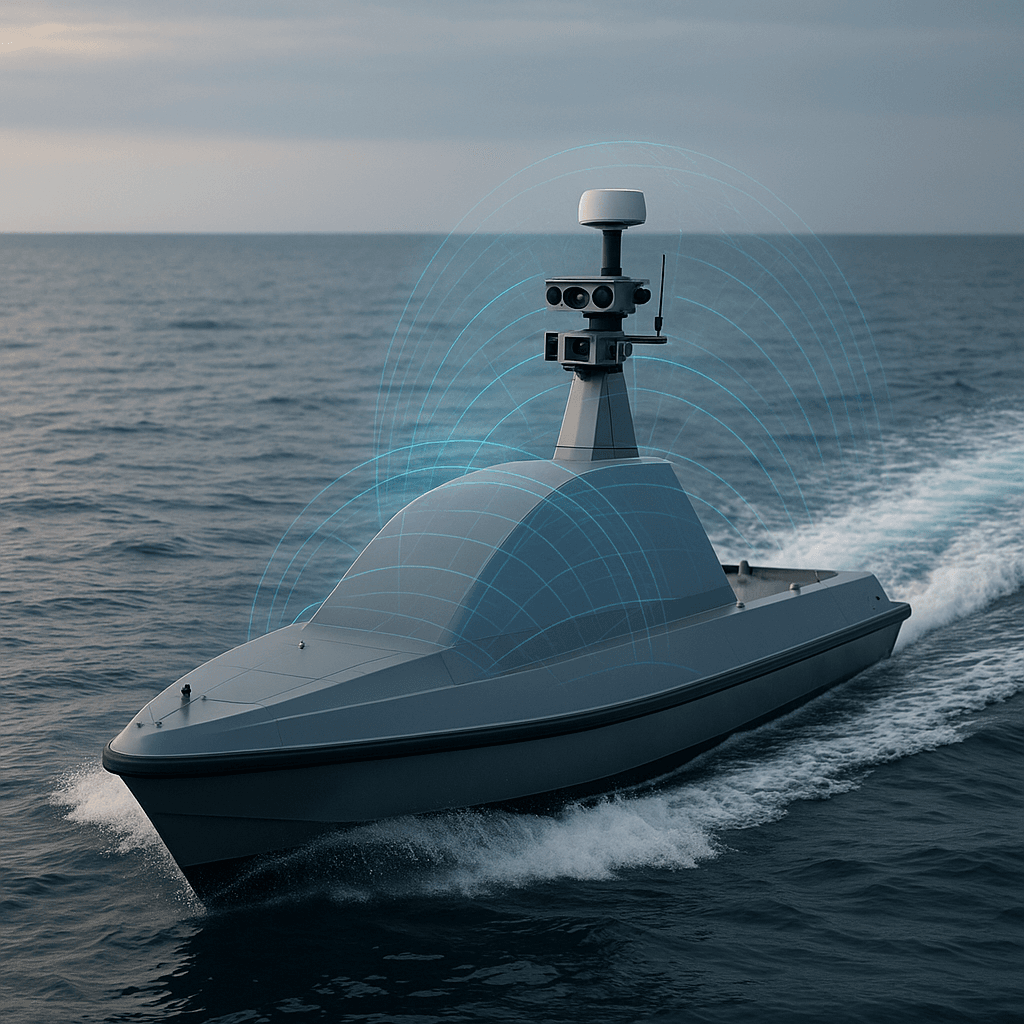
Saronic’s pitch centers on speed and scale – the company claims it can deliver autonomous patrol boats and larger unmanned surface vessels in months rather than the years required for conventional shipbuilding. These AI-piloted craft can conduct surveillance, mine countermeasures, and even offensive operations without putting sailors at risk. The technology relies on computer vision, sensor fusion, and machine learning models that enable vessels to navigate complex environments and make tactical decisions autonomously.
The startup has already secured contracts with the U.S. Navy and is reportedly in discussions with allied nations looking to bolster their maritime capabilities. Its modular approach allows the same AI stack to power everything from small patrol boats to larger corvette-class vessels, creating a scalable platform that traditional defense contractors struggle to match.