The Trump administration’s proposed $1.5 trillion defense budget marks a dramatic shift in federal spending priorities, placing massive bets on autonomous drones, AI integration, and a revitalized naval fleet.
The White House has formally sent Congress a fiscal year 2027 budget request that amounts to a staggering $1.5 trillion for national defense, a figure representing a 44% increase over previous years and the largest such request in decades. As reported by Business Insider, the proposal outlines a sweeping modernization effort spanning next-generation battleships, missile defense shields, and rapid artificial intelligence deployment across the armed forces.
The sheer scale of the request tells you where the administration’s strategic priorities lie. The global security landscape is visibly shifting, with contested waters from the South China Sea to the Red Sea demanding new naval architectures and autonomous technologies. This budget reflects an effort to retool the military for those realities, and the downstream effects for the technology sector will be significant.
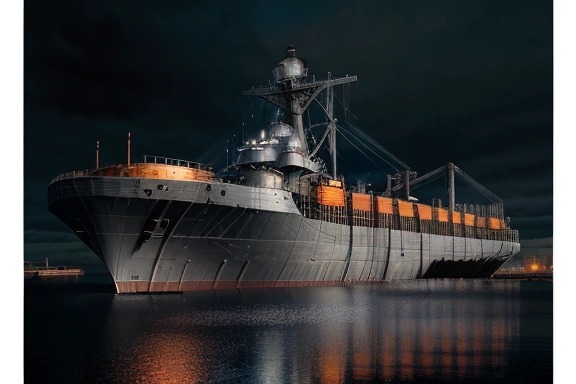
At the heart of the proposal sits a $65.8 billion allocation for Navy shipbuilding, a substantial increase designed to reverse what defense analysts have long warned is a widening gap between the US fleet and rapidly expanding Chinese and Russian naval forces. The request funds the construction of 18 battle force ships and 16 auxiliary vessels, effectively doubling last year’s procurement target. It also carves out initial funding for the newly minted “Golden Fleet” and its flagship vessel, the Trump-class battleship. The Navy has described these future warships as platforms designed to integrate deep-strike weapons with emerging, unspecified systems. The proposed USS Defiant, which Navy Secretary John Phelan dubbed the most lethal and versatile warship on the seas, anchors the concept.
Beyond the headline-grabbing battleships, the budget addresses critical industrial bottlenecks. Funding is directed toward shipyard upgrades, sealift capabilities, hospital ships, and submarine tenders. Continued investment in the Columbia-class and Virginia-class submarine programs, which are vital to maintaining undersea deterrence, is also secured. For defense contractors, the message is clear: the US intends to inject capital into shipbuilding infrastructure at a rate not seen since the Cold War.
AI, Drones, and the Tech Windfall
While the naval expansion dominates the tonnage, the technology requests embedded in this budget are arguably more consequential for the startup and venture ecosystem. The proposal explicitly prioritizes artificial intelligence adoption across the Department of Defense. It also calls for “unprecedented investments” in drone and counter-drone technologies.
This creates a distinct opening for commercial tech firms. Silicon Valley and defense tech startups like Anduril and Shield AI have spent years developing autonomous systems and AI-driven targeting software. A top-line budget of this magnitude, which also accelerates the Air Force’s sixth-generation F-47 fighter program toward a 2028 first flight, signals a sustained appetite for venture-backed innovation. The Pentagon is moving away from relying solely on legacy primes for software and uncrewed platforms, opting instead to integrate faster, commercially developed technologies.
The budget similarly targets munitions. It highlights 12 critical weapons systems slated for expanded production, including Tomahawk cruise missiles, Standard Missile-6 interceptors, and Patriot PAC-3 systems, all of which have seen heavy deployment in recent Middle Eastern conflicts. The stated goal is to scale production lines enough to build a foundation for future surges, which translates to long-term supply chain guarantees for defense manufacturers.
Market Implications
Passing this budget through Congress remains the largest hurdle. Lawmakers from both parties will scrutinize the 44% spending increase, especially given ongoing debates about the federal deficit. Yet the underlying bipartisan consensus on countering foreign naval expansion and modernizing military technology suggests the core priorities, from submarine construction to drone procurement, will likely survive the legislative process in some form.
For startups and investors, the trajectory is obvious. Defense budgets are actively orienting toward software-defined warfare, autonomous hardware, and resilient supply chains. The companies positioned to win are those that can integrate AI into existing military workflows, manufacture uncrewed systems at scale, or solve the industrial bottlenecks slowing down submarine and shipyard production. Watch the legislative markup sessions closely, as those will determine exactly where this unprecedented defense capital finally lands.