Google search is getting its biggest shakeup in 25 years, and startups and small businesses may have some cause for concern.
At it’s Google I/O event overnight the tech giant announced that it’s upgrading the familiar search box with AI Mode and booking features. It’s also adding background ‘information agents’ that can monitor topics over time.
Instead of sending users to a page of links, Google is redesigning Search to read, summarise and organise the web for them.
And that’s an issue for any business thay relies or organic discovery.
Google’s AI search overhaul will reshape SEO
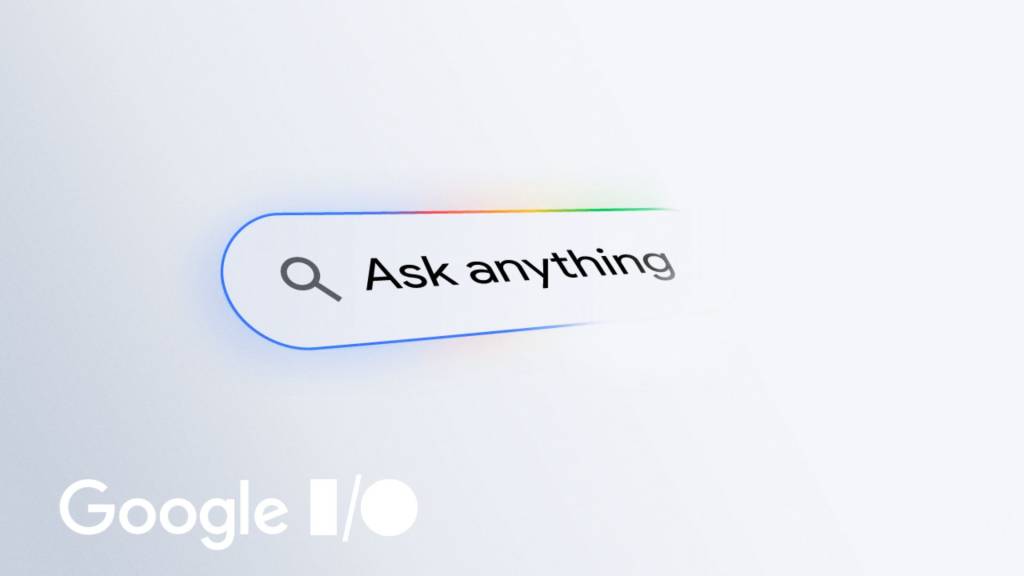
The visible change starts with the box itself. Google describes it as “the biggest upgrade to our Search box in over 25 years”, with the interface now redesigned around AI.
Search is expanding to handle longer, more conversational queries and a wider mix of inputs, including images, video, files and even open Chrome tabs.
It is also baking AI suggestions into the query process, so users can refine and extend searches without leaving the interface.
Google says the new search experience is “designed to anticipate your intent” and help users formulate questions with AI-powered suggestions that go beyond traditional autocomplete.
The idea is for AI Mode to become central to Search, letting people stay in an ongoing, chat-style thread rather than bouncing between a chatbot and the traditional results page.
Search is becoming less about links and more about AI agents
The bigger change is what happens after an initial search. Google’s new information agents are designed to monitor topics in the background across blogs, news, social feeds and real-time data. They will then send back updates when something changes.
In other words, rather than rerunning the same searches repeatedly, users can ask Google to do the legwork and come back when there is a meaningful change or update.
Google describes this as “the era of Search agents”, where users can create and manage multiple AI agents for ongoing tasks.
“These agents intelligently reason across information to find exactly what you need at exactly the right moment,” the company said in a blog post.
In separate agentic features, Search can also help with tasks like planning travel or narrowing down bookings.
Google has already shown AI-assisted booking flows for things like restaurants, events and appointments, while agents can keep checking areas such as finance, shopping and sports over time.
For now, the more advanced capabilities are launching first for AI Pro and Ultra subscribers in the US, but Google is clearly positioning them as part of Search’s wider future.
Why startups should pay attention to Google’s search changes
That is especially awkward for SEO-reliant startups, because it extends a trend they have already been dealing with.
AI Overviews have been answering more queries directly inside Google for more than a year, pushing traditional organic links further down the page. Information agents take that one step further by keeping the monitoring, filtering and summarising inside Google as well.
Even if a business’ content, pricing data or expertise helps shape the answer, the user may increasingly experience that as Google’s recommendation rather than visiting the website itself.
This could hit the traffic and potential customers os a wide range of startups built around discovery and search traffic. It will be particularly tough for comparison platforms, retail, marketplaces, SaaS discovery tools, directories and content-driven businesses.
Many of these companies have historically relied on Google sending customers to them for research, comparison and decision-making. But information agents move more of that process directly into Search itself.
Instead of clicking through multiple websites to compare business banking accounts, accounting software, energy plans or local services, users may increasingly ask Google to monitor options, summarise changes and surface recommendations automatically.
That creates a difficult dynamic for startups and small businesses. Even if their data or content contributes to the answer, the customer relationship risks staying with Google rather than the underlying platform.
That doesn’t mean these businesses suddenly become irrelevant. But it does suggest Google is training users to outsource traditional search to an AI layer that decides which brands, sources and recommendations are surfaced first.