Only one in three of all businesses survive a decade. For tech startups, those odds drop to just one in ten that make it past the ten-year mark.
That number for startups? That percentage drops to ten.
Over the last 14 years, Hypepotamus has covered thousands of startups across the Southeast. In that time, we’ve watched many promising companies launch—and, inevitably, many fade away. But we’ve also followed a smaller, more resilient group of founders who have done something far rarer: they’ve built companies that last.
So we’re highlighting the founders who have beaten the odds by building and evolving their startups more than a decade after they first launched, with a new “Still Building” series.
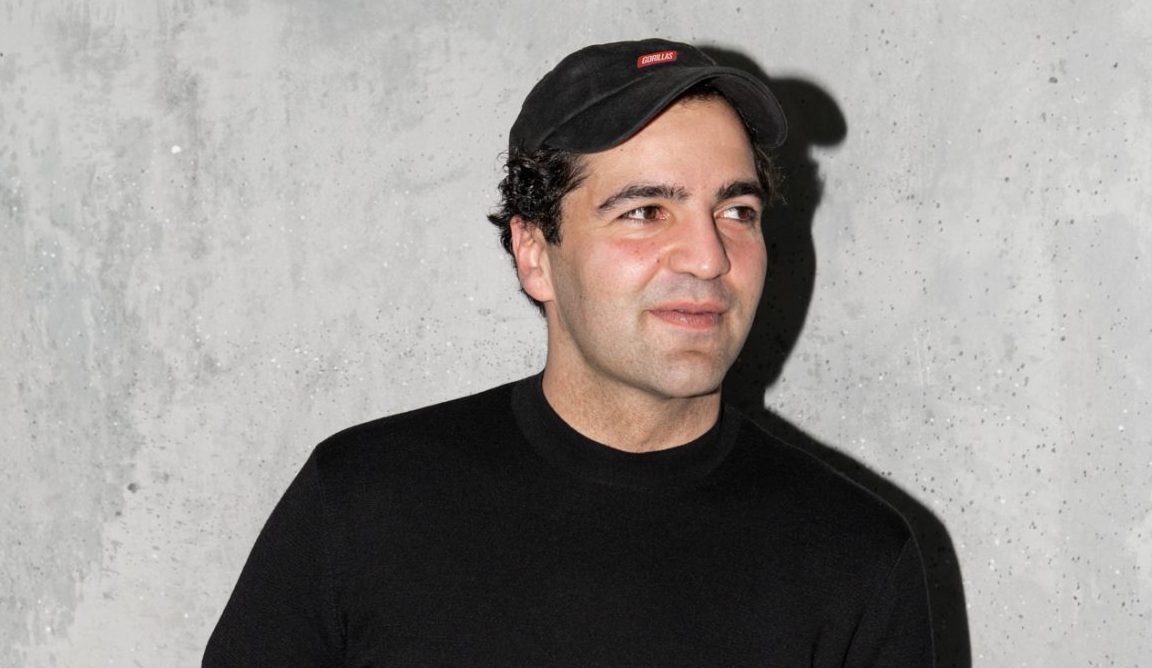
We’re starting with a conversation with Chrissa McFarlane, CEO of Atlanta-based Patientory.
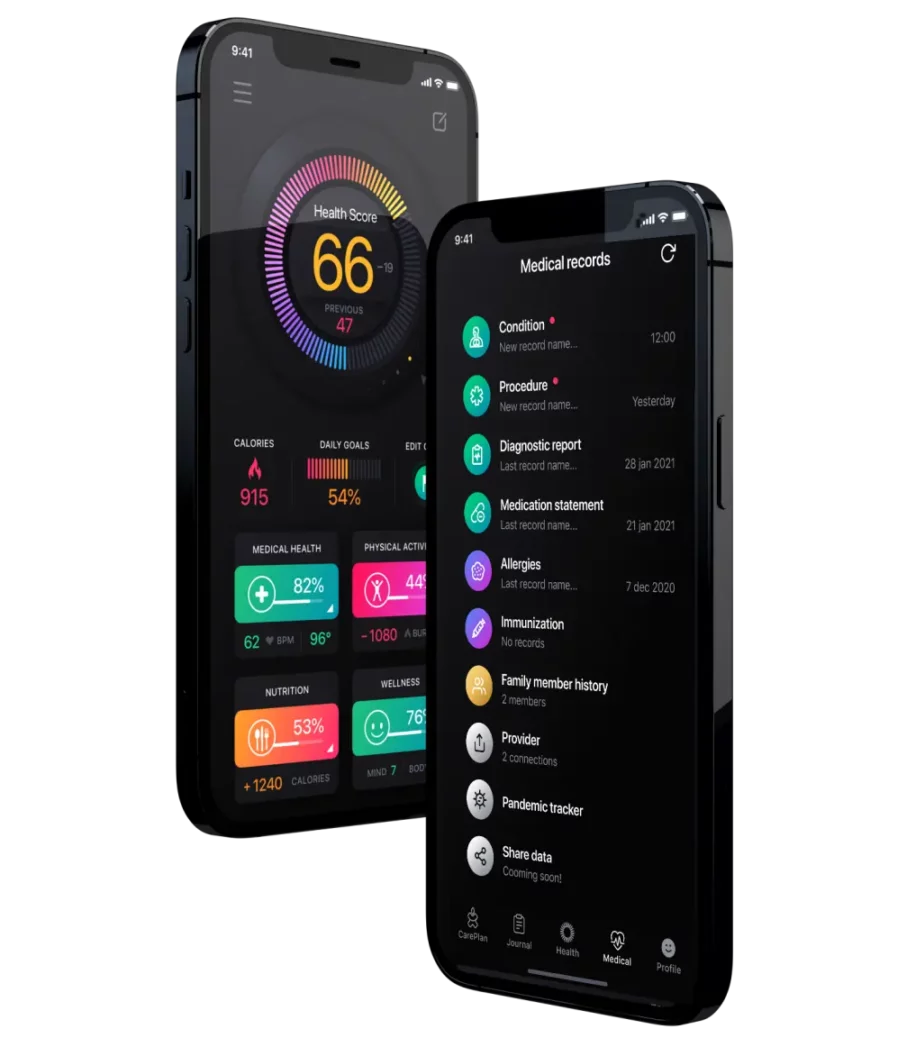
The healthcare-focused software got off the ground in 2015 and pitched at Atlanta Startup Battle in 2016. When Hypepotamus first caught up with McFarlane in 2017, she was leading a blockchain-focused startup at a time when the industry was still in its infancy. The company has evolved to operate as what McFarlane calls an “enterprise health data wallet and AI activation layer serving insurers, employers, and government partners.”
A decade later, Patientory is still building. We caught up with McFarlane to talk about how the company has evolved, what’s changed in healthcare and AI, and what it takes to lead a startup through more than a decade of transformation.
Here’s McFarlane’s Q&A with Hypepotamus here:
Question: Since your first profile on Hypepotamus, how has Patientory’s business model changed?
McFarlane’s Answer: When we were first profiled, Patientory was positioned more as a blockchain-enabled patient wallet — focused on empowering individuals to own and access their health data.
Over the past decade, we’ve evolved into something much larger: enterprise health data infrastructure.
Today, Patientory operates as an enterprise health data wallet and AI activation layer serving insurers, employers, and government partners. Instead of focusing purely on consumer adoption, we realized that true scale required becoming the infrastructure layer that connects insurers, enterprises, and AI systems.
We moved from a token-centric web3 narrative to a compliance-first, enterprise SaaS model — with recurring contracts, insurer pilots, and cross-border deployments, including our expansion into South Korea through the Korea Startup Grand Challenge.
The core belief hasn’t changed — patient-controlled data — but the execution matured into enterprise infrastructure.
Question: A decade ago, blockchain and AI weren’t mainstream. How did you know you were onto something? When did you notice AI going mainstream?
McFarlane’s Answer: The idea was personal.
I saw firsthand how fragmented health data can lead to misdiagnosis and poor outcomes. The healthcare system doesn’t move with the patient — data doesn’t follow the individual.
Back in 2015, blockchain wasn’t hype — it was infrastructure thinking. I wasn’t building a crypto company, although we issued the world’s first healthcare token. I was building a trust layer for healthcare.
AI is only as powerful as the data it can access. I knew that if healthcare ever fully embraced AI, it would require unified, permissioned, patient-controlled data.
The inflection point came around 2022–2023. Once generative AI entered mainstream conversation, enterprise healthcare leaders began asking the right question:
“Where does the data come from?”
That’s when it became clear Patientory had built something the market was finally ready for.
Question: What are some of the biggest changes to the platform over the years?
McFarlane’s Answer: The biggest shift has been moving from a wallet product to a full infrastructure platform.
Key changes include:
- Enterprise-grade identity and consent architecture
- API infrastructure enabling multi-AI platform compatibility
- Insurer and employer deployment models
- Expansion into global markets like South Korea
- Enhanced compliance, security, and scalability
We’ve also moved from proof-of-concept blockchain to production-ready infrastructure integrated into enterprise environments.
The product matured from vision to infrastructure.
Question: How has your team changed over time?
McFarlane’s Answer: In the early years, the team was heavily innovation-focused — engineers and blockchain technologists.
Today, we have a more enterprise-oriented structure:
- Enterprise sales leadership
- Healthcare compliance expertise
- Strategic advisors in global markets
- Korea-based expansion support
- AI integration specialists
The team evolved from startup experimentation to institutional execution.
Question: Have you brought on investors?
McFarlane’s Answer: Yes. Patientory has raised venture capital and grant-based funding over the years to support platform development and expansion.
As we enter our Series A phase, we’re focused on bringing on a lead institutional investor aligned with long-term infrastructure positioning and global scale.
The next phase is about scaling responsibly — not hype.
Question: How did COVID impact your business?
McFarlane’s Answer: COVID accelerated digital health adoption by years.
Suddenly, remote care, interoperability, and real-time health data weren’t optional — they were essential.
At the same time, it exposed how fragmented healthcare data truly is.
While many companies focused on telehealth front-ends, we focused on backend infrastructure — ensuring data could move securely between systems.
In many ways, COVID validated our thesis.
During COVID-19, Patientory’s interoperable, consent-driven health data infrastructure supported the broader healthcare ecosystem’s need for secure, real-time data coordination as pharmaceutical innovators like Moderna accelerated vaccine development and clinical research. By enabling streamlined aggregation of patient records and supporting more efficient clinical trial recruitment through secure data sharing, Patientory helped address fragmentation challenges exposed during the pandemic and reinforced the importance of modern digital health infrastructure.
[A case study (link here)]
McFarlane’s Answer: Building healthcare infrastructure is not easy.
It requires patience, regulatory understanding, and long-term conviction.
There were moments of uncertainty — especially during early blockchain skepticism — but I never questioned the core problem we were solving.
The market wasn’t always ready. But the problem was real.
I believed timing would eventually align — and it did.
McFarlane’s Answer: Product-market fit in infrastructure feels different than in consumer apps.
For us, the moment wasn’t downloads — it was enterprise validation.
When insurers and government partners began engaging seriously and deploying pilots — particularly in South Korea — that’s when it became clear:
We weren’t just a concept. We were necessary infrastructure.
Answer: We’re entering an era where AI can personalize healthcare at scale.
But AI alone isn’t enough.
What excites me is the shift toward patient-owned, interoperable, permissioned data systems that make AI safe and effective.
The future of healthcare isn’t just digital. It’s intelligent. And intelligence requires infrastructure. We’re only as smart as the data we capture. That’s what we’re building.
Source link