Dar es Salaam. Tanzania’s growing community of innovators is increasingly facing a familiar challenge: access to early-stage capital, The Citizen has learnt. While the country is witnessing a steady rise in technology-driven startups, experts say the number of angel investors willing to take early risks remains far too small to support the expanding ecosystem.
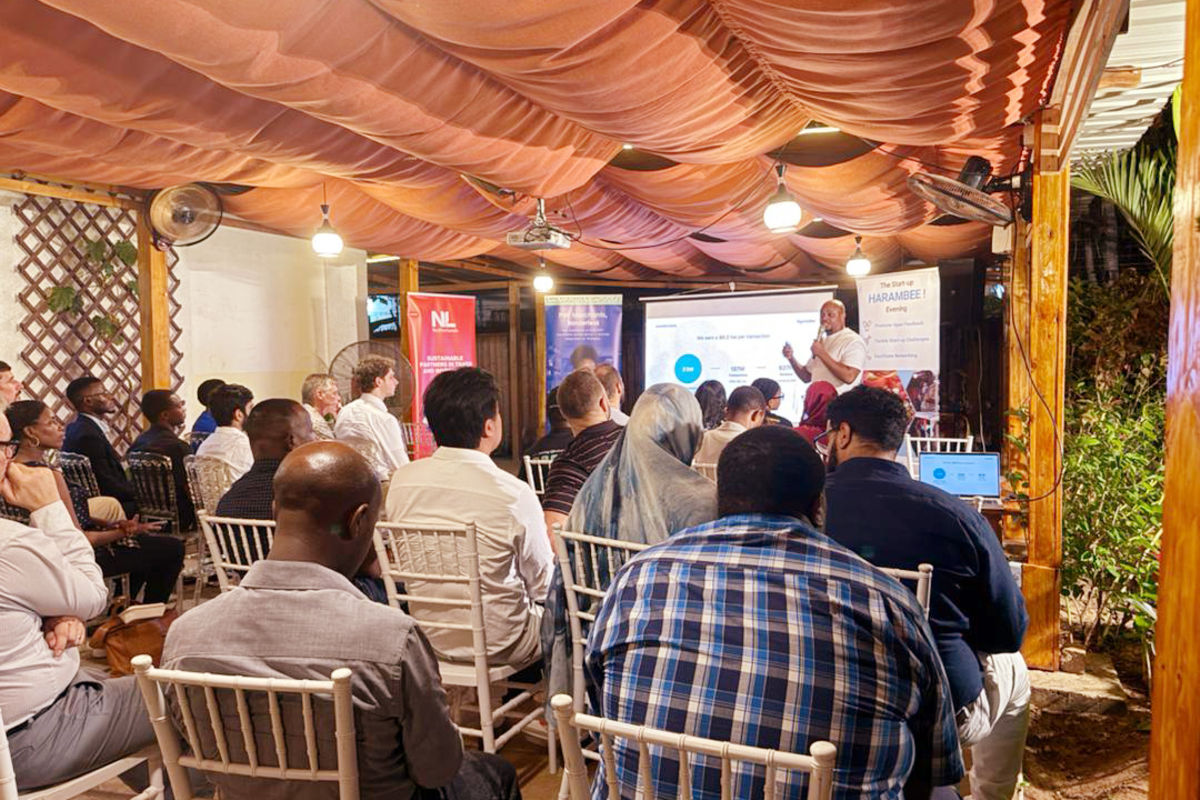
The concern was raised during the 11th Harambee Evening startup pitch event organised by Serengeti Angels, on March11, 2026, in partnership with the Embassy of the Netherlands in Tanzania and fintech startup WakaPay.
The event brought together entrepreneurs, investors and members of Tanzania’s innovation ecosystem, offering a platform for young founders to pitch their ideas and connect with potential backers. While the winning startup received a small financial reward and exposed to investors, speakers at the event emphasised that the broader issue is the country’s limited pool of angel investors.
Speaking during the event, the Deputy Head of Mission at the Dutch Embassy, Mr Onno Koopmans, said early-stage investors play a critical role in helping innovative businesses survive their most fragile stage.
“Startups are where innovation begins, but they are also where risk is highest,” he said. “Angel investors are essential because they step in when businesses are still young and traditional financial institutions are not ready to support them.”
According to ecosystem reports, Tanzania’s startup scene has grown significantly in recent years, particularly in fintech, logistics, agriculture technology and digital services.
However, access to early funding remains one of the biggest barriers for founders.
Industry estimates suggest that while hundreds of startups emerge every year across the country, only a small fraction secure funding in their early stages.
Most founders rely on personal savings, family contributions or small grants to develop their ideas.
Mr Koopmans said strengthening angel investment networks could unlock significant opportunities for Tanzania’s young innovators.
“We need more people who have the capacity and experience to step in as angel investors,” he said. “It is not only about funding. It is also about mentorship, networks and guidance that help startups grow into sustainable businesses.”
During the pitching session, three startups; Lipisha, Winvo and Flowteller, presented their solutions to the audience. Flowteller, founded by David Bwire, emerged as the evening’s winner, receiving the gate collection of Sh1.8 million as part of the Harambee Evening tradition.
Flowteller offers technology that allows mobile money agents and merchants to expand their services beyond simple cash transactions by delivering digital services directly to communities.
Mr Bwire said many innovators in Tanzania are unaware of opportunities within the angel investment space.
“Many young founders are building strong solutions, but they don’t always know where to find investors who understand early-stage startups,” he said. “Events like this help us connect with people who can support us not only with funding but also strategic advice.”
Across Tanzania, young entrepreneurs say the lack of early funding often forces promising ideas to stall before reaching the market.
They speak of their struggles for years to turn their concepts into businesses due to limited financial support.
“For many founders, the challenge is not the idea, it is the capital to test and scale it,” said one young developer who attended the event. “Angel investors could make a big difference in helping startups move from concept to real businesses.”
The government has in recent years taken steps to support the innovation ecosystem. Policies promoting digital entrepreneurship, startup incubators and innovation hubs have emerged in major cities such as Dar es Salaam, Arusha and Dodoma.
Programmes run through technology hubs and innovation labs are helping young developers refine business models, build prototypes and access mentorship.
However, experts say public programmes alone cannot fill the early funding gap.
Private investors, they argue, must play a stronger role.
Angel investors, typically wealthy individuals willing to invest personal funds in early-stage companies, are often the first external financiers for startups in mature ecosystems such as the United States, Europe and parts of Asia.
In Tanzania, however, the angel investment culture is still developing.
Supporters of the model believe expanding networks such as Serengeti Angels could help mobilise more individuals with the financial capacity and experience to invest in promising ideas.
Mr Koopmans said Tanzania’s growing pool of young innovators represents a major opportunity for the country’s economic future.