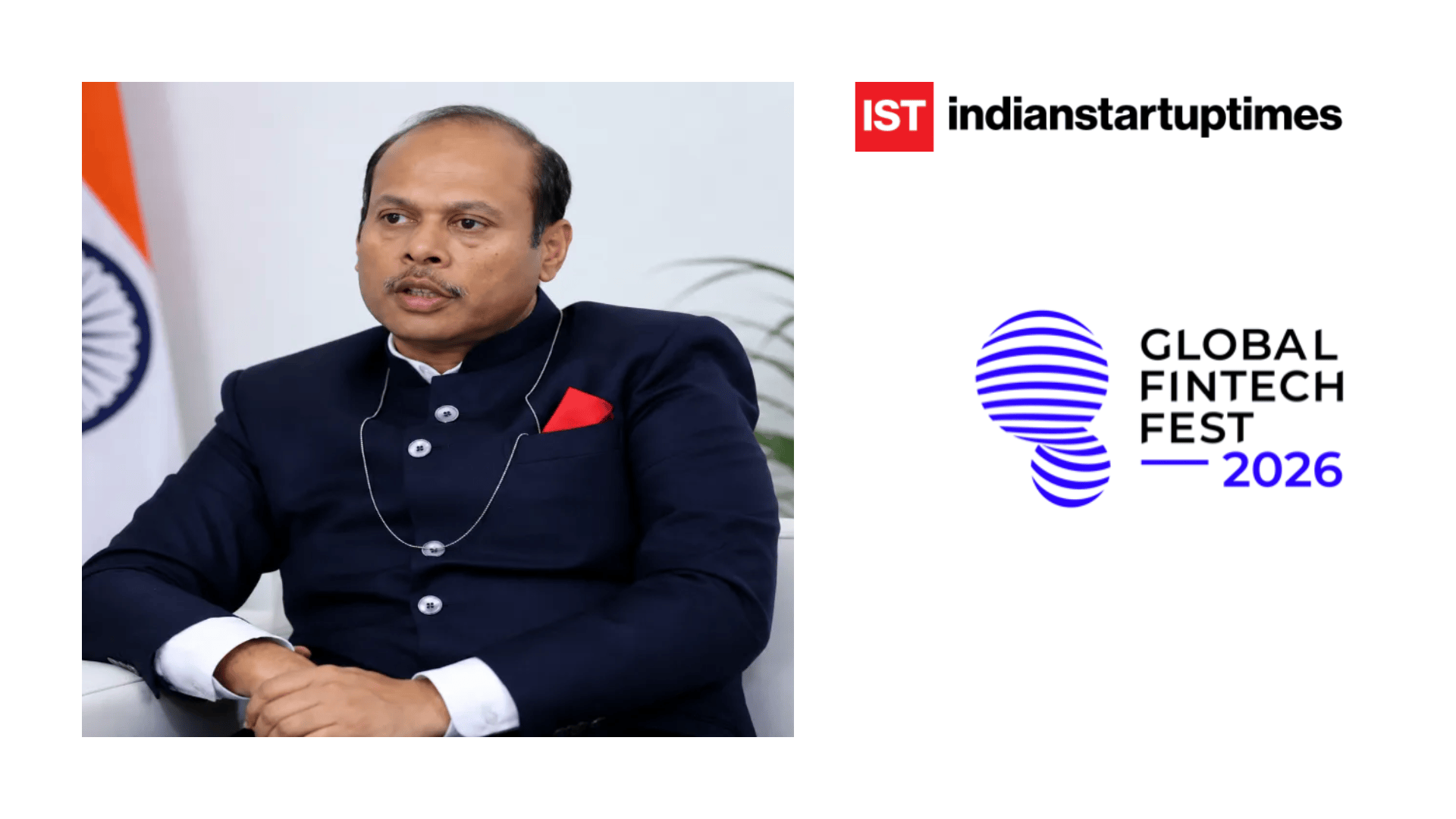
The rapid adoption of artificial intelligence and other emerging technologies is opening new opportunities for the financial sector, but it is also creating new avenues for financial crime. At Global Fintech Fest 2026, the fintech industry was urged to invest more heavily in technology and risk-management capabilities to stay ahead of these evolving threats.
Financial Action Task Force (FATF) Vice-President Vivek Aggarwal highlighted the growing complexity of risks emerging from technologies such as artificial intelligence, virtual digital assets, cryptocurrencies and quantum computing.
He said the pace of technological change requires financial institutions and fintech companies to remain vigilant and build stronger mechanisms to identify and respond to technology-enabled financial crime.
Aggarwal noted that artificial intelligence can be used by criminals to make financial crimes more sophisticated. At the same time, the same technology can be deployed by the financial ecosystem to detect suspicious activity, identify perpetrators and strengthen monitoring systems.
The evolving nature of these threats, he said, makes financial security an ongoing challenge, requiring the industry to continuously adapt its defences as new technologies emerge.
Another area of concern is the rise of scam compounds and technology-driven fraud networks, which can create increasingly complex challenges for financial institutions and regulators.
The industry also needs to prepare for longer-term risks associated with technologies such as quantum computing. Advances in quantum capabilities could potentially challenge existing encryption and cryptographic systems, making technological preparedness an important part of the financial sector’s security strategy.
As India’s fintech ecosystem continues to expand, strengthening risk management alongside innovation will become increasingly important. The ability to anticipate emerging threats and invest in appropriate safeguards could play a critical role in ensuring that technological progress continues to support sustainable growth.