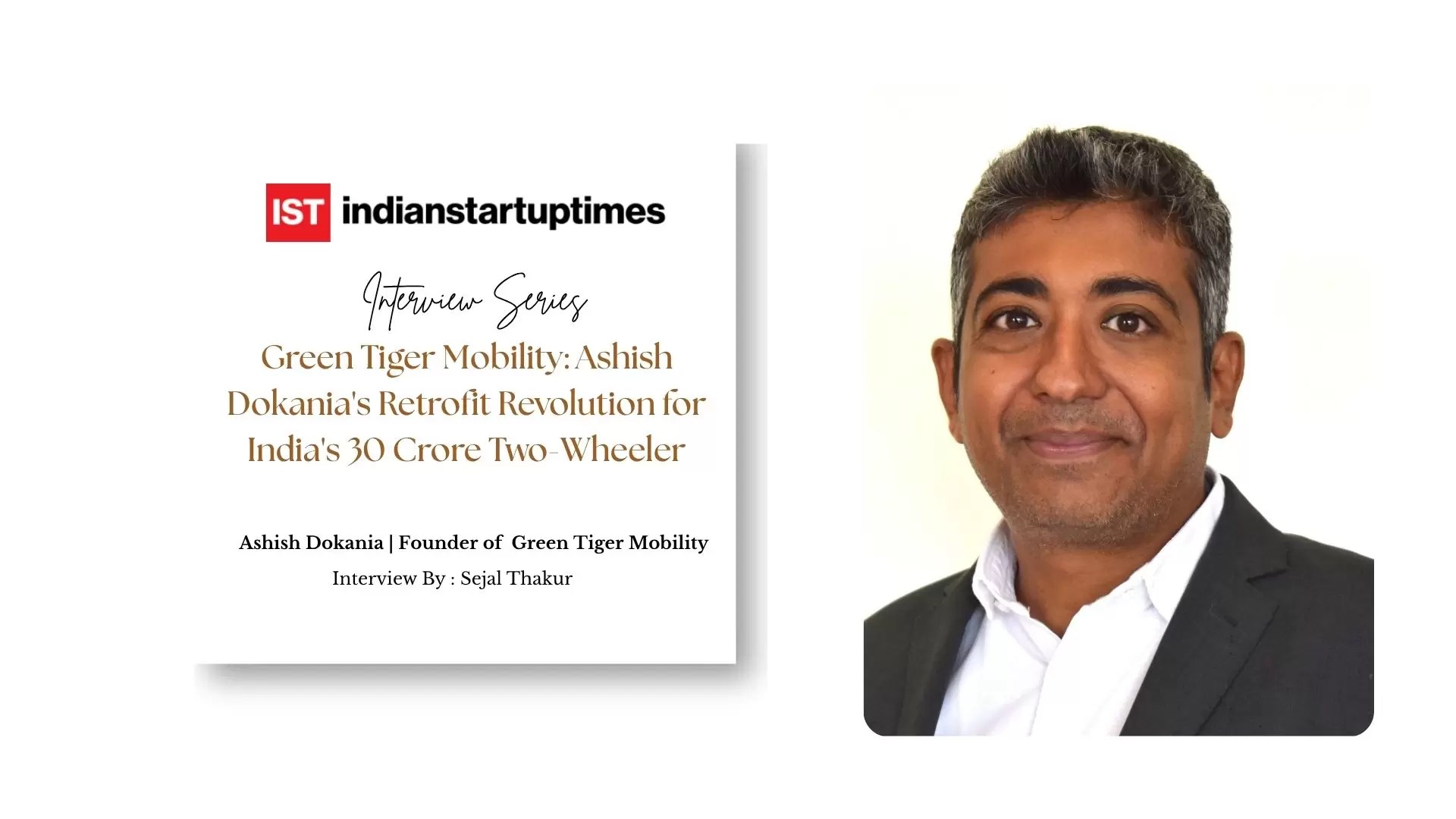
Ashish Dokania transitioned from banking and infrastructure financing—leading Shapoorji Pallonji’s rooftop solar and founding UK grid specialist Transtel Utilities—to Green Tiger Mobility, targeting India’s existing 30 crore two-wheelers with retrofit EV solutions. “Green” (sustainability) + “Tiger” (reliable power) symbolizes their independent hybrids and portable home-charge batteries, dodging new-vehicle grid strain.
Banking Grit Meets EV Reality
Strategic-ops duality from finance honed Green Tiger’s edge: retrofitting beats scrapping’s environmental/financial toll. Early hurdles—regulation, manpower, tech—flipped to moats via 6 patents, 4-year talent retention, and government tailwinds by 2026. “Reduce, reuse, recycle” fits India’s ethos perfectly.
Funding Fuels Expansion: Bangalore to Pan-India
₹5 crore angel/overseas round (Jan 2022) built capacity (tech, approvals); ₹11 crore (2023) from investors like Bajaj Motors + grants from GoI hit ₹21 crore total. Current ₹25 crore round (closing soon) scales Telangana/Maharashtra/TamilNadu/Delhi beyond 1,000 Bangalore consumers—top EV players locally. Prudence prioritizes execution within means.
Retrofits Over New EVs: The Mass-Market Play
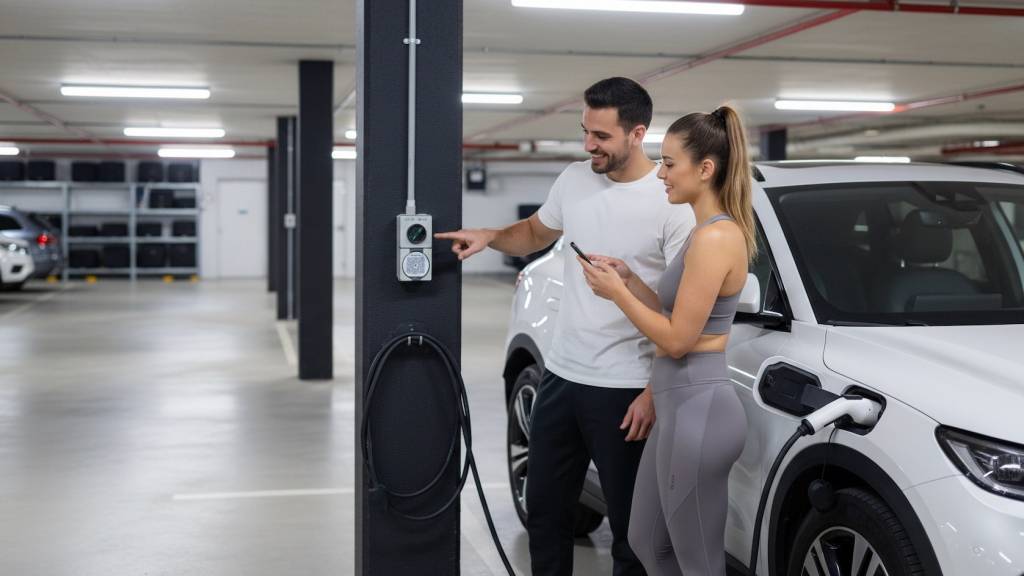
Unlike new-EV focus, Green Tiger serves existing demand—portable batteries charge anywhere, hybrids use petrol as backup. Cost-innovation balance navigates auto regulations; lithium recycling cuts imports, powering sustainable energy transition. Small steps sum to carbon wins for next gens.
Global Retrofit Giant Ambition
Ashish eyes Green Tiger as retrofit synonym (Xerox-style), world’s largest in 3 years, amongst top-10 EV two-wheeler globally—homegrown for South/Southeast Asia. Cultural reuse preference + dense networks position them as affordable green mobility leaders.
Green Tiger proves finance minds retrofit India’s EV future smarter.
Interview By : Sejal Thakur