Warships are expensive, slow to build, and difficult to replace. At the same time, navies are being pushed to patrol larger areas, protect undersea infrastructure, and respond to the growing use of drones and autonomous systems at sea — especially given current geopolitical events in the Middle East and beyond.
This is driving a wave of interest in maritime autonomy startups. Companies building autonomous boats, drones, underwater sensing systems and ocean surveillance platforms are all attracting fresh attention and money, from investors, defence contractors and governments alike — a trend that surfaces (heh) throughout Resilience Media’s 100 Startups to Watch in 2026.
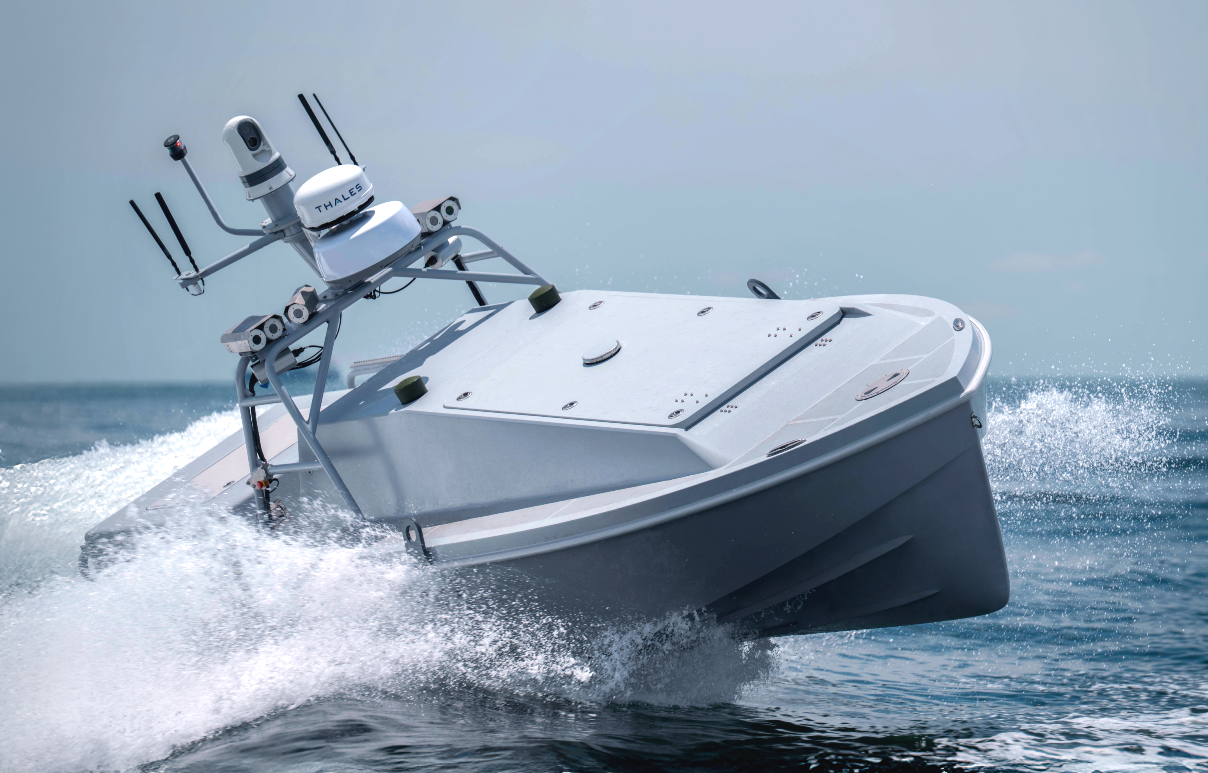
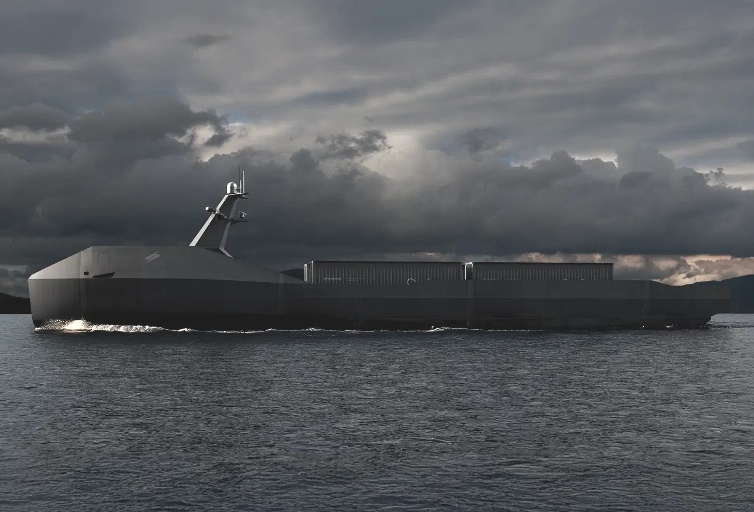
In March, Saronic Technologies, a US startup building autonomous surface vessels for the Navy, raised a whopping $1.75 billion round of funding at a reported $9.25 billion valuation. This followed roughly a year after the company had acquired a Louisiana shipyard to build and prototype larger autonomous vessels, including its flagship Marauder system.
Since then, Saronic has announced a further $300 million investment into the shipyard to add new production lines, expanding the facility by more than 300,000 square feet to increase its output of autonomous ships.
Ilya Fushman, partner at storied Silicon Valley venture capital (VC) firm Kleiner Perkins, which led Saronic’s recent Series D round, said that maritime autonomy will depend on much more than the vessels themselves: it will depend on scale. Building autonomous fleets at meaningful volume will require shipyards, assembly lines and the wider industrial systems needed to produce and deploy them reliably.
“Maritime dominance isn’t just about technology — it requires the production capacity to field it at scale,” Fushman said in a statement at the time. “Those two things rarely come together. What makes Saronic special is that they’re building both: autonomous ships designed from day one to push the boundaries of what’s possible, and the manufacturing infrastructure to produce them consistently.”
Plenty of defence tech startups are partnering with prime contractors to build their hardware — even Saronic is teaming up with Vigor Marine Group to tap the latter groups vessel fabrication facilities and expertise.
Saronic building its own capabilities in that area, however, is an approach that mirrors, to some extent, how hyperscalers like Amazon, Google, and Microsoft have grown. These companies may have started in software, but eventually they also invested heavily in infrastructure like data centres, chips and subsea cables both to expand their own operations as well as to move into new business areas.
Saronic may be looking to get ahead that by tackling infrastructure now.
Filling the gap
A growing number of startups are focusing on the gaps that traditional naval systems struggle to fill. Persistent ocean surveillance, uncrewed patrols, underwater sensing, and lower-cost ways to monitor huge maritime areas without relying entirely on crewed ships are among those.
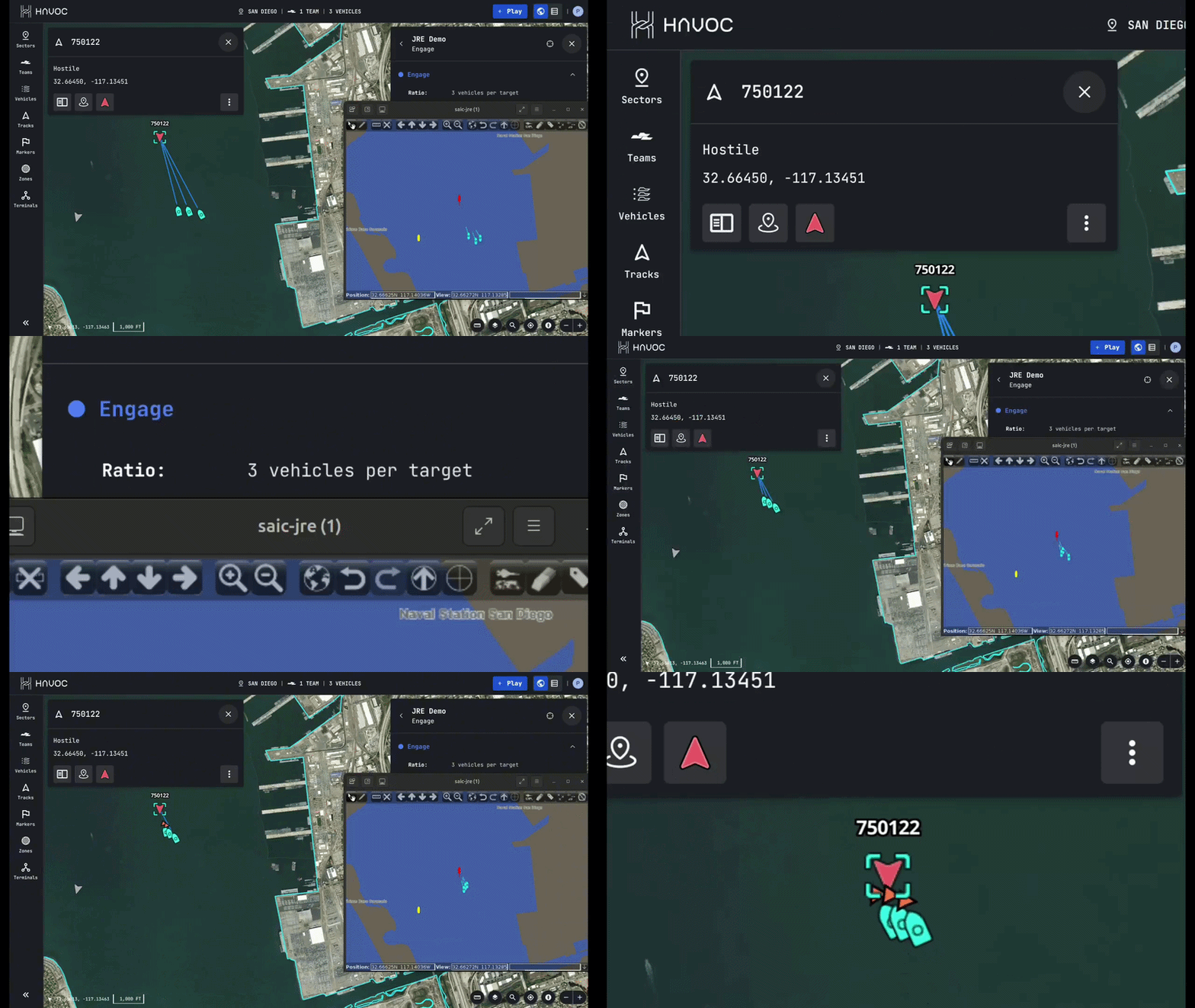
On Tuesday, Havoc, a US defence technology company building autonomous military systems, announced a $100 million Series A funding round. While the company works across multiple military domains, maritime systems is a major focal point, particularly around autonomous fleets and command-and-control systems.
The funding followed shortly after Havoc demonstrated a system built with defence contractor SAIC (which also invested in Havoc’s Series A) that connected autonomous maritime fleets with existing military command-and-control networks using Link 16, a widely used tactical communications system. The demonstration centred on autonomous systems receiving hostile target information and responding through existing battlefield infrastructure.
Havoc’s integration is significant because defence procurement tends to move slowly, and it is an example of how systems that plug into existing naval and command infrastructure may face fewer barriers to adoption.
The UK has also been backing the sector more directly. In April, the government announced a £50 million deal for Plymouth and the South West aimed at expanding the region’s maritime autonomy industry, including new testing facilities, waterfront labs and support for surface and subsurface drone development.
With that in mind, UK startup Acua Ocean is already focused on autonomous uncrewed surface vessels, designed for long-duration maritime operations without onboard crews. And Kraken Robotics is building sonar and maritime autonomy systems, an area drawing growing attention as governments look to protect subsea infrastructure such as communication cables and pipelines.
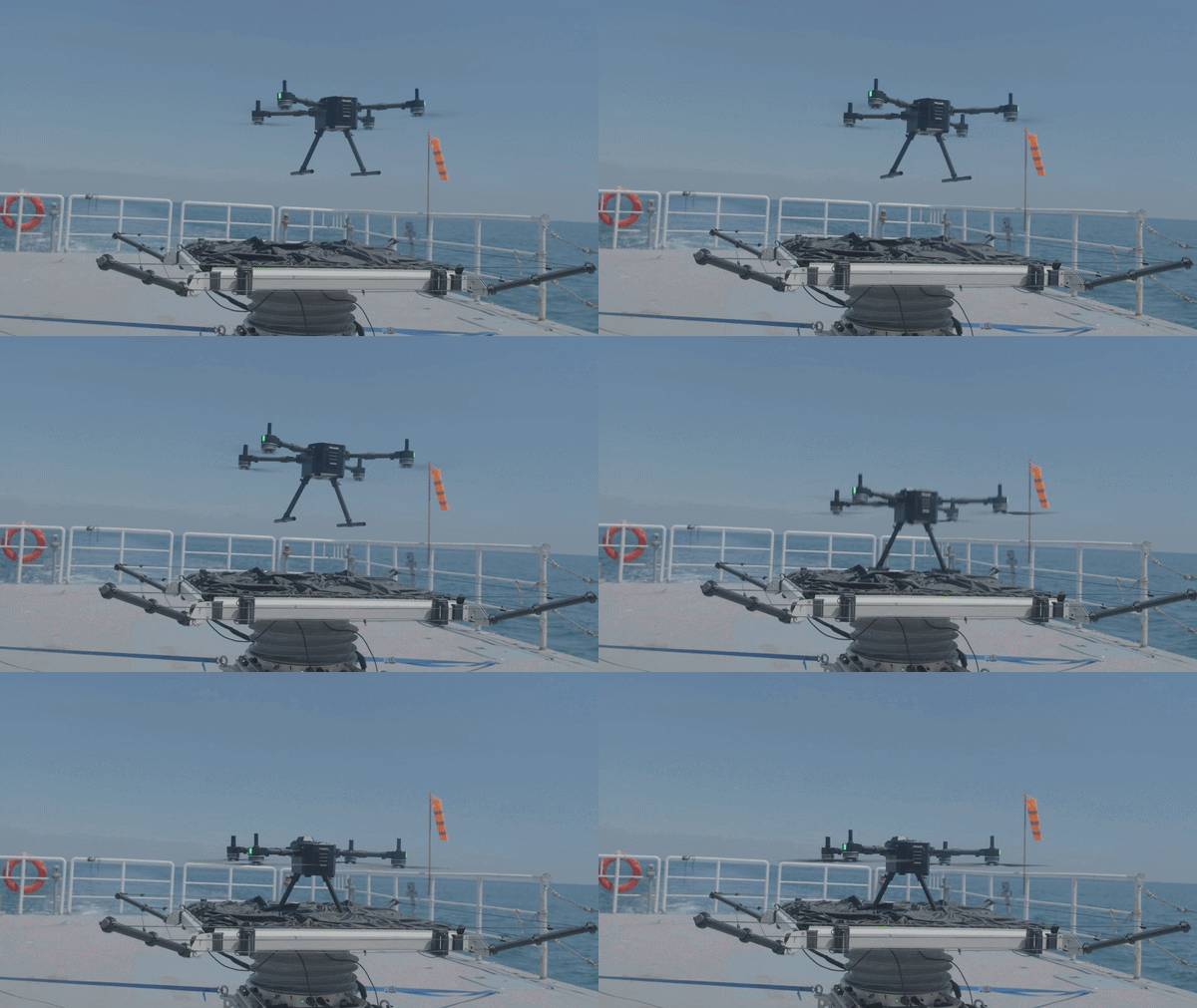
It’s not just about vessels, either. Waiv Robotics recently emerged from stealth with a system designed to solve one of the more difficult parts of operating drones at sea: landing them safely on moving vessels.
A quick look across the sector reveals companies tackling different parts of the problem, from all corners of the globe. Sweden’s Polar Mist is working on autonomous maritime robotics, while Seasats is building long-range ocean surveillance drones designed to stay at sea for extended periods, helping monitor large maritime areas without relying entirely on crewed patrol vessels.
A certain irony is not lost on naval strategists.
For decades, maritime dominance meant building bigger, more expensive, more capable ships — and accepting that you’d have fewer of them.
But these startups are showing the opposite logic. The future belongs to fleets of smaller, cheaper, expendable systems that can be everywhere at once. Will that bet pay off? That will depend on whether autonomous systems can prove themselves in contested waters.
Source link