Medly AI, a London-based AI-powered learning platform that claims to offer the world’s first AI tutor for exam prep, has raised a €6.89 million ($8 million) Seed round.
The round was led by Felix Capital and backed by existing investors Eka Ventures and Ada Ventures. Several angel investors also participated in the round, including Andrey Dobrynin, CEO at InvestEngine; Al Giles, Venture Partner at Creator Fund; Jean Hammond, General Partner at LearnLaunch Accelerator; and Hector Mason, General Partner at Episode 1 Ventures.
Dr. Paul Jung, co-founder and CEO of Medly, commented, “Almost a third of 11–16-year-olds receive some form of private tutoring. For those who can afford it, it’s a powerful advantage. For those who can’t, it’s an equally powerful reinforcer of the status quo.
“We’ve built something to disrupt that. Our custom AI gives every child access to a 24/7 personal tutor that adapts to how they learn and responds to their unique needs. In just one exam season, the majority of students using Medly were able to improve by at least an entire grade – that’s a game-changer for young people. This capital will enable us to support even more students and prove that tailored academic help can come without a premium price tag.”
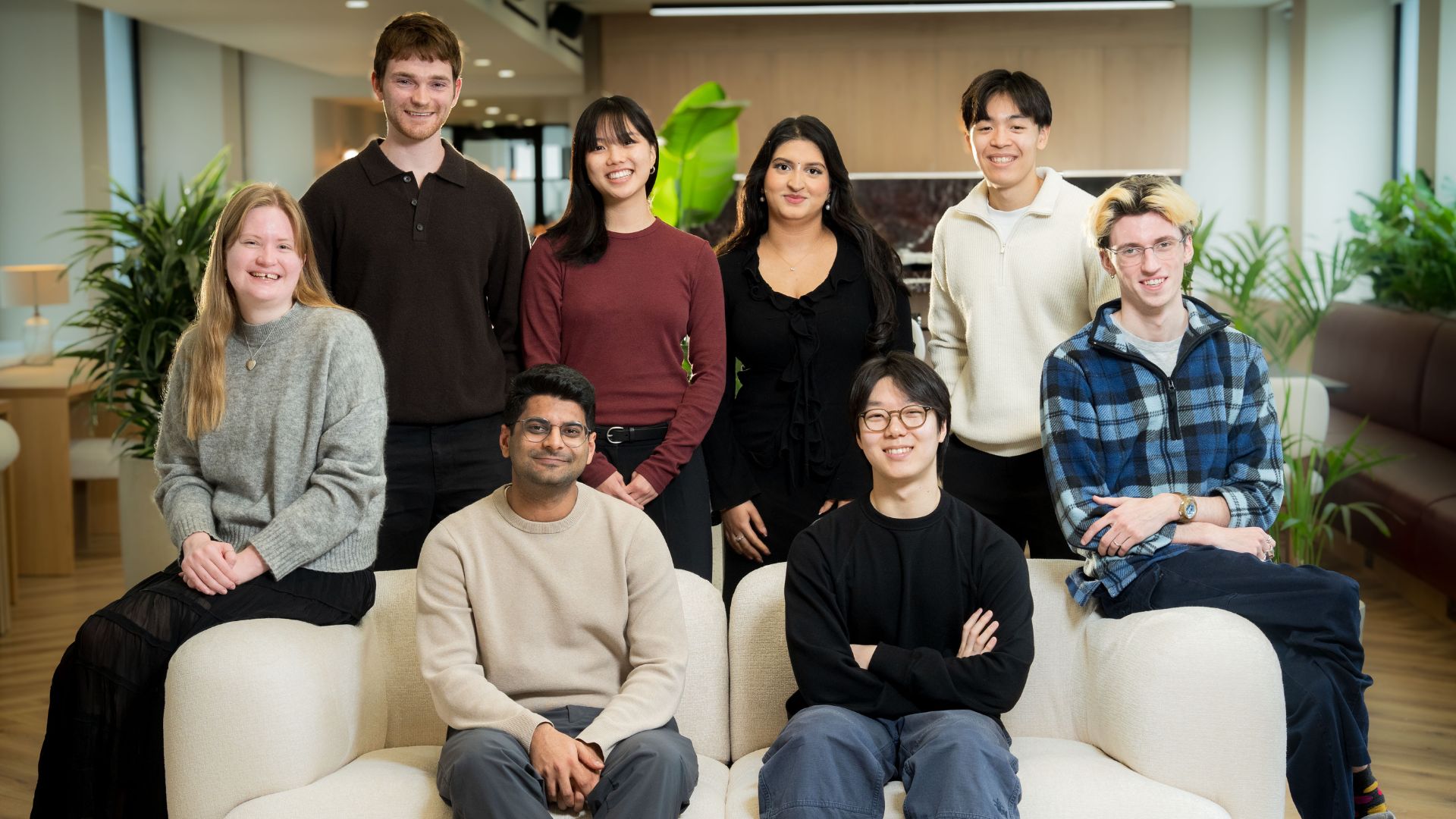
Medly was founded by UCL medicine graduates Dr. Paul Jung and Dr. Kavi Samra, who met during their first year of secondary school at age 11. They both left careers in the NHS to build Medly.
Since in-person private tutoring is typically quite expensive, Medly’s mission is to democratise education by providing a personalised AI tutor for every student. The company states that it offers on-demand academic support at a fraction of the cost, making it more accessible to students from all backgrounds.
According to Medly, as more students use generative AI tools such as ChatGPT to help with their studies, the platform provides purpose-built, accuracy-tested support rather than relying on the questionable insights of standard generative AI platforms.
The company highlights that its AI is based on neuroscience and teaching theory, and has been designed to act as a personal tutor for students. It mentions that the AI tutor is built on a proprietary combination of seven LLMs and can deliver a tailored service to each student, tracking progress, intuiting learning styles and leveraging teaching theory to tailor feedback style.
“Medly provides instant feedback on answers to practice questions and shares advice on where students could gain more marks – all through a bespoke conversational user interface. Additional AI features make study feel even more personalised. For example, handwriting recognition lets students write directly on the platform using tablets or styluses, and is the most natural mode of learning for subjects such as Maths and Chemistry,” the company mentioned in the press release.
Medly can be used by students preparing for their GCSE, IGCSE, A-Level and International Baccalaureate exams. It also has a curriculum-agnostic product called Medly Open, tailored for university students.
The company reported that, among students who used the platform to prepare for their GCSE exams last summer, 74% improved by at least one grade and 41% improved by two or more grades. It further notes that the biggest improvements were seen among those taking Physics and English Literature GCSEs, with grades jumping by 46% and 43%, respectively.
The capital will be used to grow the community of students Medly supports in the UK and roll-out support across additional international markets. In the US, Medly has recently launched SATs, showing promising early traction, and is iterating rapidly, with plans to expand to APs and ACTs by the end of this year.
It will also be used to expand Medly’s evidence base. The team recently published its first research paper, evidencing the platform’s marking performance compared to human examiners, and has just completed a randomised controlled trial with over 1,000 UK students to demonstrate its ability to increase grade attainment in lower-attaining schools.
The company also plans to enhance its capabilities and develop proprietary models for specific UK/EEA educational functions, such as marking and pedagogy. The platform is also introducing new features designed to push the most capable students beyond the regular exam curriculum, deepening their knowledge and preparing them for higher education.
Since launching in February 2025, the platform has scaled its user base by almost 600%, rapidly growing to over 400,000 users in the UK alone. It was also awarded the Department for Education’s competitive AI Tutoring Tools Pioneers Programme grant in July this year, which is focused on improving the academic attainment of disadvantaged pupils across England.