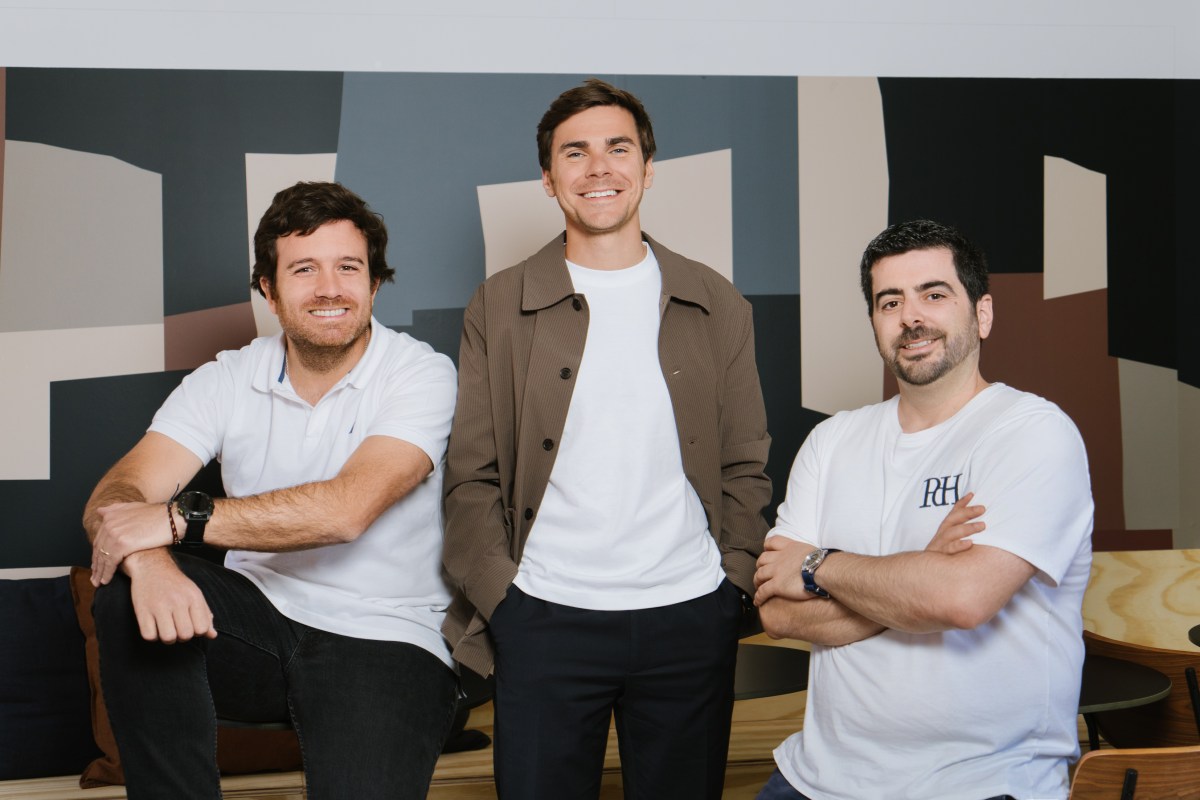
Michelle Carnahan
New York-based Arbiter, which aims to eliminate fragmentation in healthcare, has raised a $52 million seed round without traditional venture capital, valuing the company at about $400 million. It simply raised the money from family offices that specialize in healthcare investing — Simcha Hyman’s TriEdge, Eric, Elliot and Jeremy Moskow’s MFO Ventures, based in Delray Beach, Fla., and WindRose Health Investors.
The backing of specialist investors with significant healthcare experience is a big plus because it brings industry know-how and operational expertise, in addition to cash, helping Arbiter sign customers and get live tech into clinicians’ hands quickly. Arbiter’s backers bring operational experience from companies, such as Cigna, UnitedHealth, Kaiser Permanente, One Medical, and VillageMD, and some of their technologists have worked at Meta, Apple, Google, and Amazon.
“Arbiter’s mission is nothing less than to rebuild the operating spine of U.S. healthcare,” said Arbiter co-founder and CEO Michelle Carnahan, who spent decades at Eli Lilly and led a VC-backed startup through its boom. “By aligning payers and providers around the needs of patients, we’re transforming healthcare from a fragmented set of parts into a connected system that works for everyone.”
Arbiter didn’t build everything from scratch. By acquiring a data platform, customers and some staff from SecondWave Delivery Systems, it bought a functioning data layer that pulls patient records from different systems and evaluates risk. That shortcut reportedly saved about 18 months of work and brought in contracted multi-year revenue.
That acquisition also gave Arbiter clinical depth. The platform already handled clinical factors and risk adjustment, which helps the startup layer on AI agents that can actually act on insights, not just flag problems. In plain terms, it’s easier to automate scheduling and referrals when you’ve already got a reliable single view of the patient. The firm now has live AI tools running with more than 1,000 clinicians.
Arbiter’s first app uses AI agents to reach out to patients, book appointments and follow up after visits. That’s the kind of background work clinics hate but patients appreciate; it’s quiet, human-feeling and practical.
If it works, that “operational spine” could reduce handoffs and save clinician time. But the stakes are high: automation needs to be safe, explainable and tightly integrated into clinical workflows. Clinics will care about little things, does the agent sound natural, is patient data handled securely, and does scheduling actually reduce no-shows?
Mixed Blessing
Family offices backed Arbiter because they can offer specialized knowledge and distribution relationships that take years for a typical VC-funded startup to build. That’s especially useful in healthcare, where partnerships with payers and provider networks are often slow, trust-driven processes. These investors can open doors, introduce pilot partners and help design contracts that matter.
But there’s a trade-off. Family offices aren’t a cure-all. They may expect tighter commercial timelines or specific strategic moves. Still, for founders like Carnahan this route offered both speed and the kind of market access she wanted for a mission-focused product.
Automating referrals and patient outreach can feel miraculous when it works, and intrusive when it doesn’t. Arbiter’s challenge will be blending clinical reliability, data security and a human-sounding AI voice. Providers will test whether automation truly reduces workload or just shifts it, and patients will judge whether outreach feels helpful or robotic.